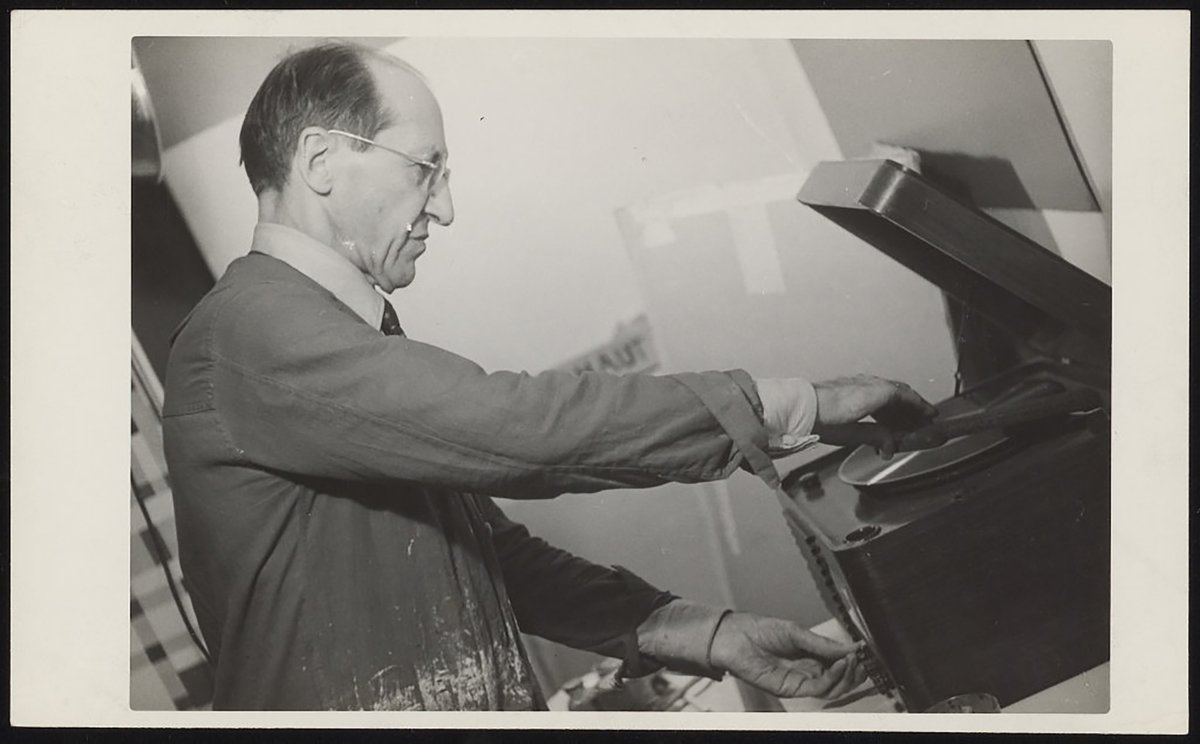
A forthcoming survey at the Museum of Modern Art (MoMA) in Manhattan will examine the Dutch artist Piet Mondrian’s output during his years in New York and the influence of boogie woogie music on his late work. The exhibition, Mondrian Boogie Woogie (21 March-31 July 2027), will focus on the four years preceding Mondrian’s death in 1944 in New York and explore the confluence of two flows of migration: Mondrian’s migration as a European refugee and the Black diaspora’s migration from the Jim Crow South to the northeast in the 1940s.
The exhibition will reunite Mondrian’s two final paintings for the first time in over three decades, the works Broadway Boogie Woogie (1942-43) from MoMA’s collection and Victory Boogie Woogie (1942-44) held by the Kunstmuseum Den Haag. The works represent the rhythm and energy of the musical genre and are each 50in by 50in, the largest canvases Mondrian used for abstract painting in his lifetime. It is believed he worked on them simultaneously until Broadway Boogie Woogie was acquired by MoMA and first exhibited in 1943.
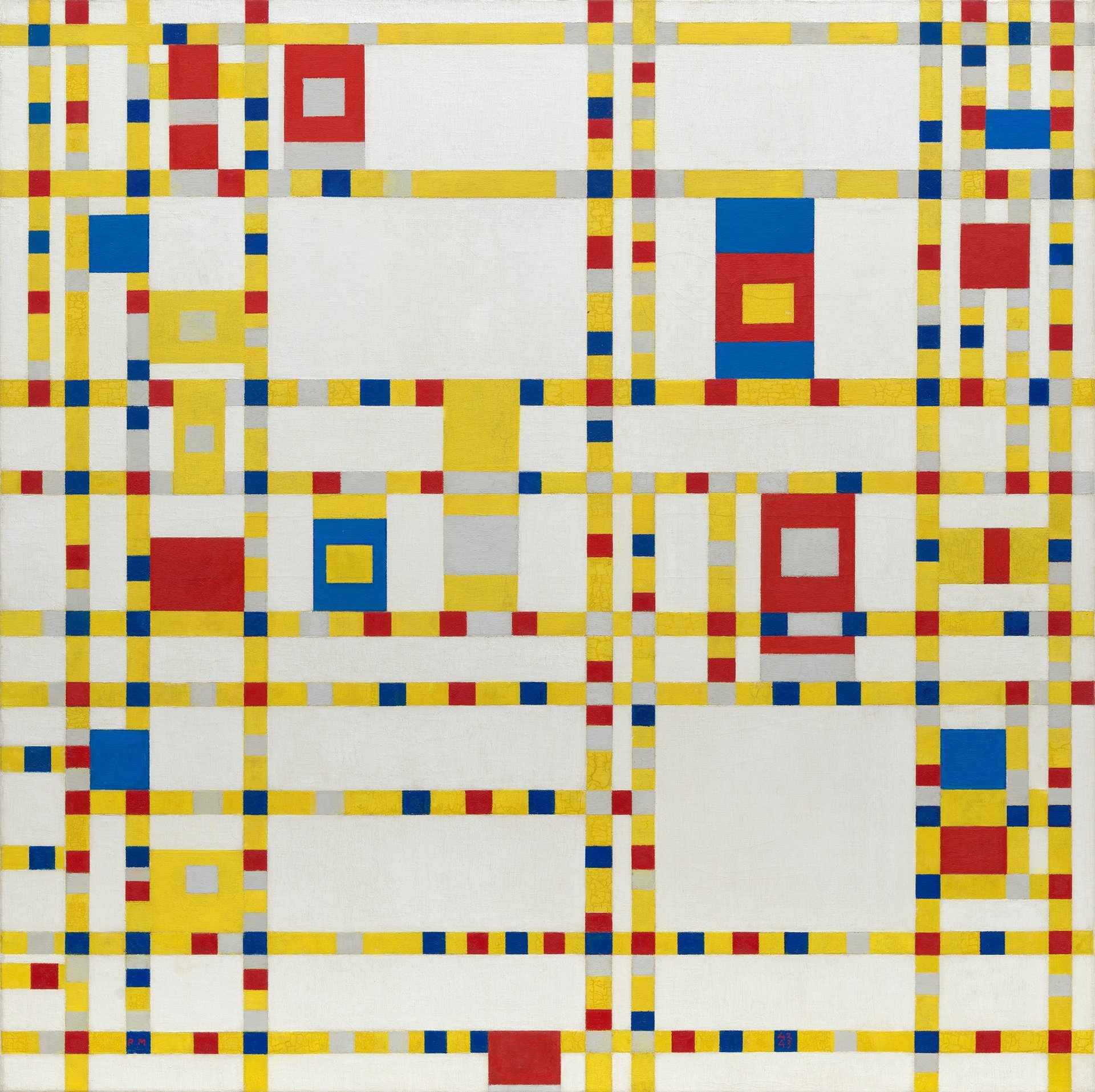
Piet Mondrian, Broadway Boogie Woogie, 1942-43 The Museum of Modern Art, New York. Given anonymously.
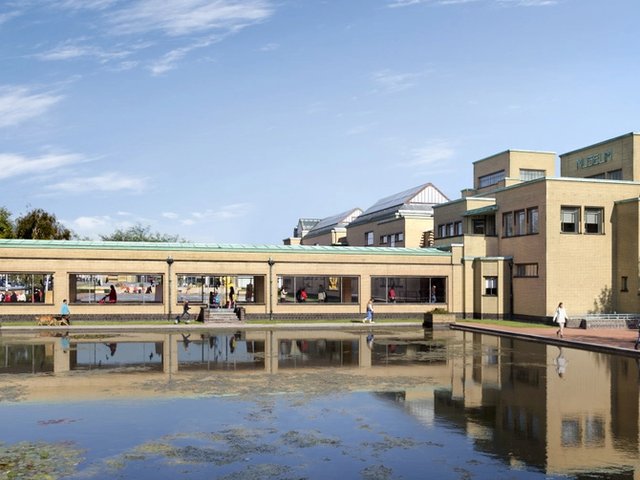
Victory Boogie Woogie has been on long-term loan to the Kunstmuseum Den Haag since 1998, when the Dutch government used the present-day equivalent of around $40m from a national acquisition fund to purchase it. It marked the highest price paid for an artwork using such funds, creating widespread political controversy. The logistical hurdles around securing loans of art considered national patrimony means that the painting has not left the Netherlands since.
The reunion of the works was organised by Leah Dickerman, MoMA’s director of research programmes and Carlota Ortiz Monasterio, a curatorial assistant at MoMA; with the Kunstmuseum Den Haag’s artistic director, Margriet Schavemaker, and head of collections and exhibitions, Thijs de Raedt; the curator Caro Verbeek; the cultural heritage agency of the Netherlands; the Netherlands Institute for Art History. It will open at the Kunstmuseum Den Haag in September next year.
In an interview with The Art Newspaper, Dickerman says that, while museums have long celebrated Mondrian’s abstractions, less attention has been paid to the influences of New York and Black culture on his work.
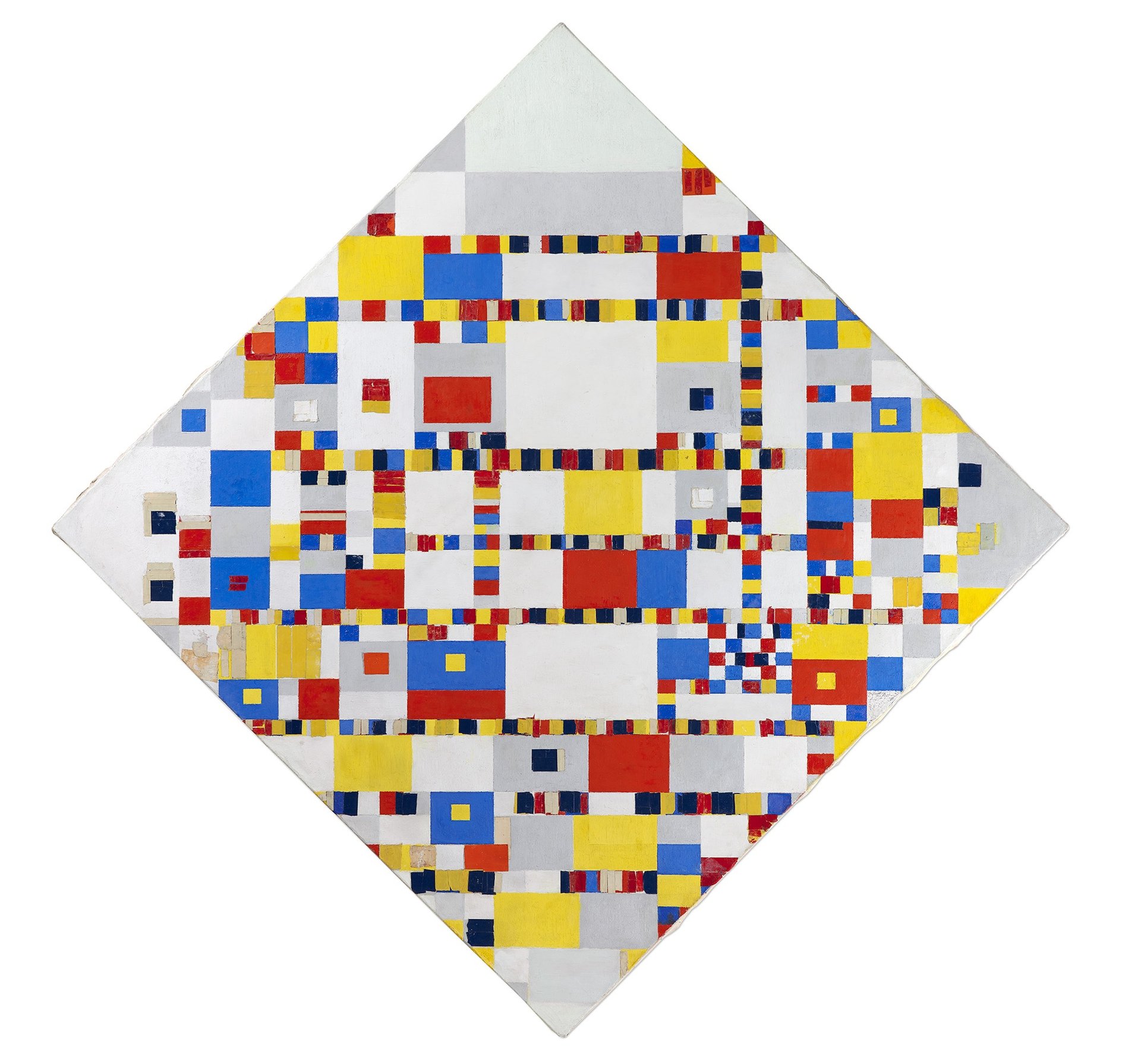
Piet Mondriaan, Victory Boogie Woogie, 1942-44 Kunstmuseum Den Haag - long-term loan Cultural Heritage Agency of the Netherlands / Ministry of Education, Culture and Science
“People know Mondrian’s name and Broadway Boogie Woogie as a beloved work but don’t really think about how or why he came to New York,” Dickerman says. “Mondrian was an artist who consistently described his positions theoretically and philosophically. Yet the writing he produced during this moment is the most explicitly political of his career. It’s very much about freedom and oppression. He spoke of boogie woogie as an example of an art form that created a space of freedom.”
The exhibition will bring together 30 works in total, including a selection of paintings from a crate of works he brought with him to New York. A section of the show will be devoted to Café Society, New York’s first interracial nightclub and a hub for boogie woogie music, where Mondrian was a regular and exhibited work. The jazz pianist Jason Moran will perform an original composition inspired by the theme on a Steinway piano installed in the gallery that visitors will be able to experience through a digital playback.
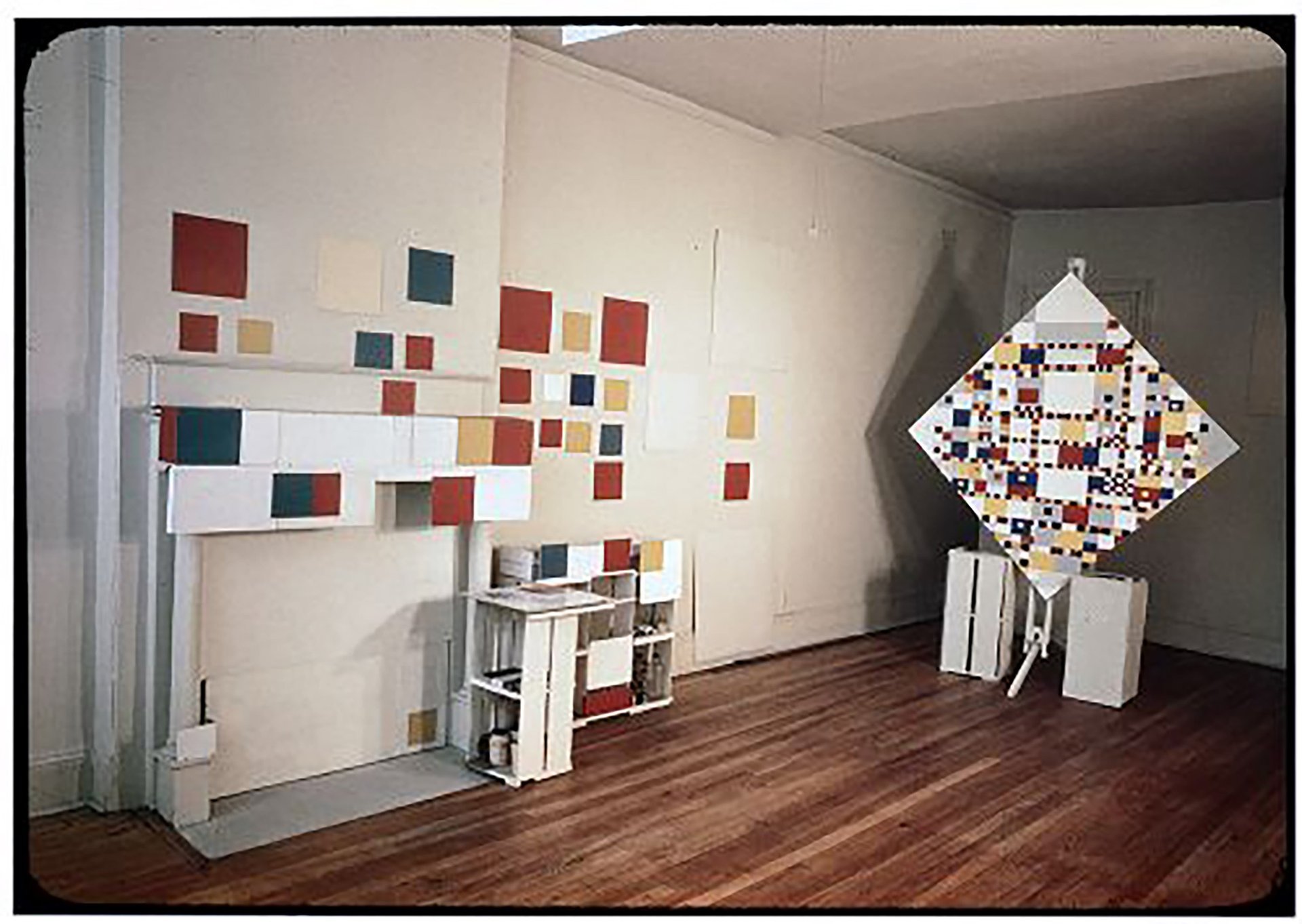
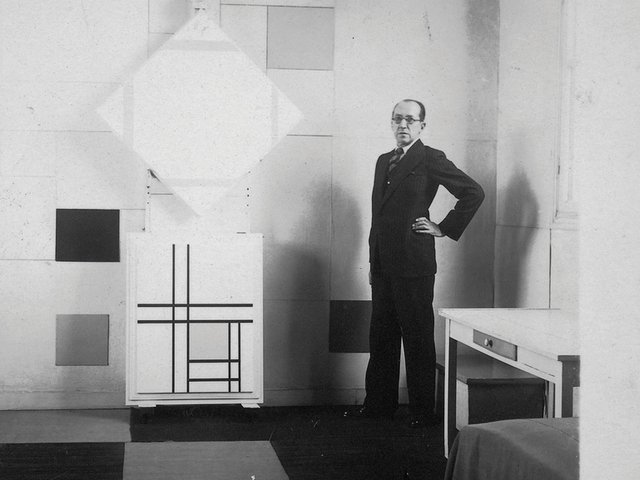
Fritz Glarner, Mondrian's studio after his death, 1944 Nico Crama Archive, RKD - Netherlands Institute for Art History, The Hague. © Estate of Fritz Glarner, Kunsthaus Zürich.
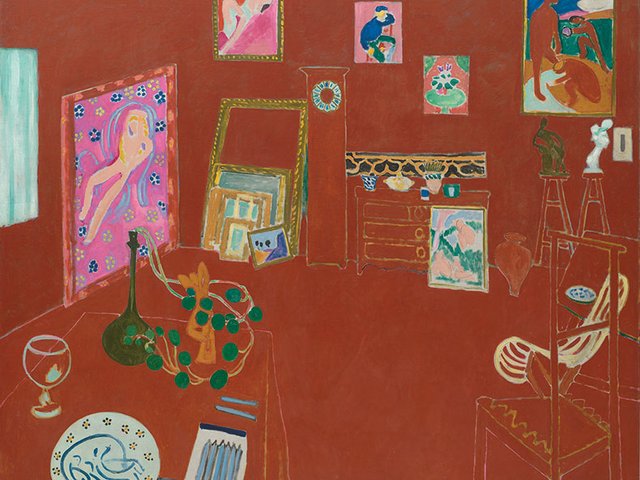
The exhibition follows others at MoMA that have been built around key works from the museum’s collection, including Henri Matisse’s The Red Studio(1911) in 2022 and Jacob Lawrence’s The Migration Series (1940-41) in 2015.
“This approach gives us a chance to look at something that’s well-known but with new eyes. I believe that’s actually part of what a masterpiece is: it can speak to different generations in different ways. In this case, we have new ideas about Modernism,” Dickerman says. “It gives us a way of opening up the story and thinking about what Mondrian was engaged in dialogue with, as well as what was happening in New York at a particular moment in time.”