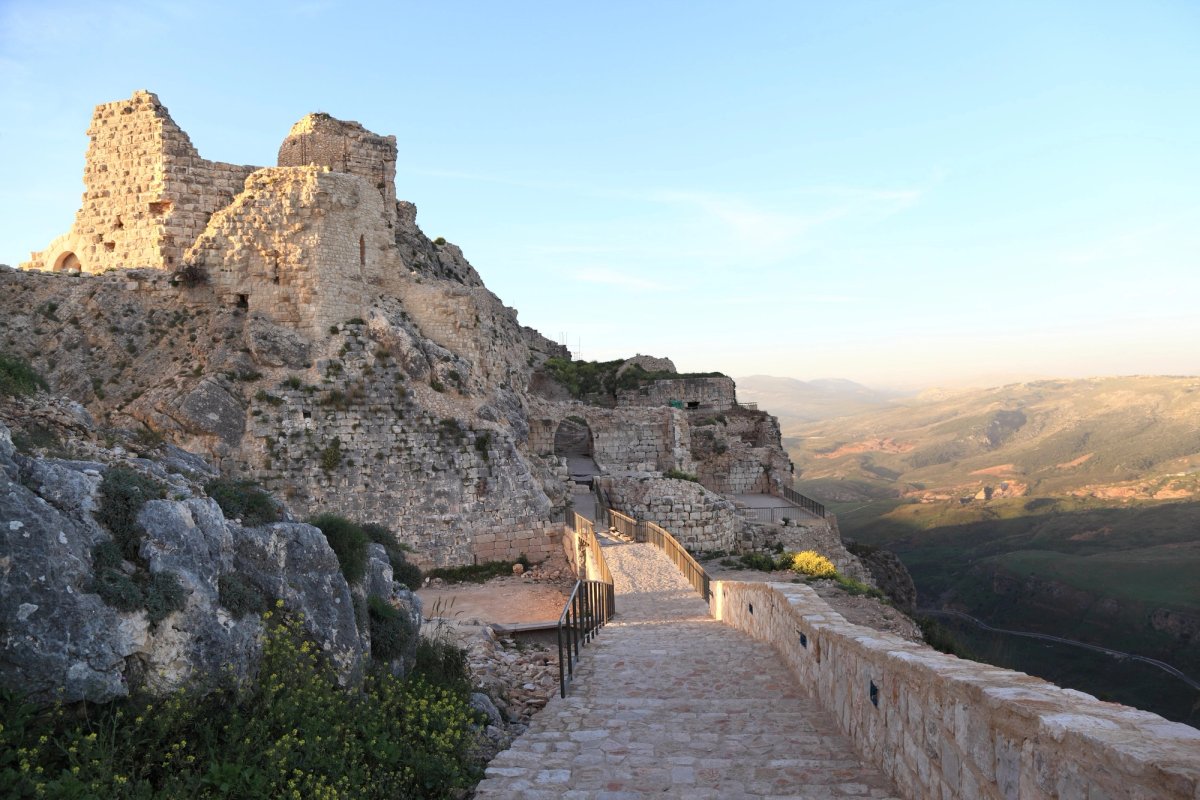
Icomos Lebanon, Unesco and the Lebanese Ministry of Culture have all issued urgent alerts about Israeli strikes that have damaged Beaufort Castle as well as Tyre in recent days.
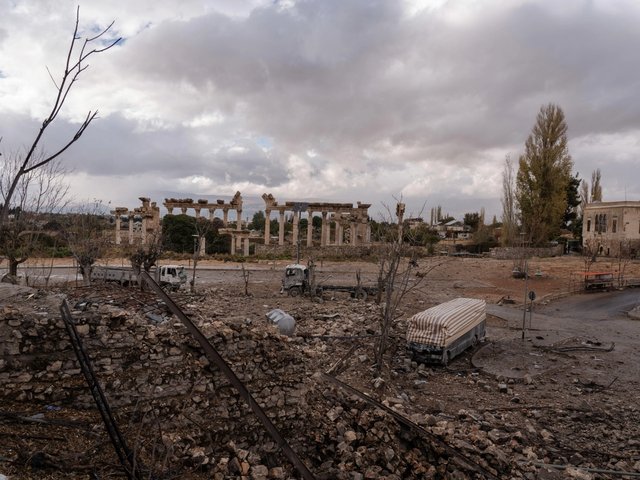
In a statement published on 8 June, Icomos expressed concern about a strike at the entrance to the ancient city of Tyre, a Unesco World Heritage Site recently granted Enhanced Protection under the Second Protocol to the 1954 Hague Convention.
“Icomos strongly condemns this attack on a World Heritage property,” the statement says, “and recalls that cultural property, particularly when under Enhanced Protection, must not be made the object of attack or used for military purposes.”
According to Icomos, the strikes damaged the entrance precinct, administrative buildings and archaeological warehouses, noting that “the full extent of the damage to the archaeological fabric cannot yet be assessed due to the security situation, but direct damage has been confirmed”.
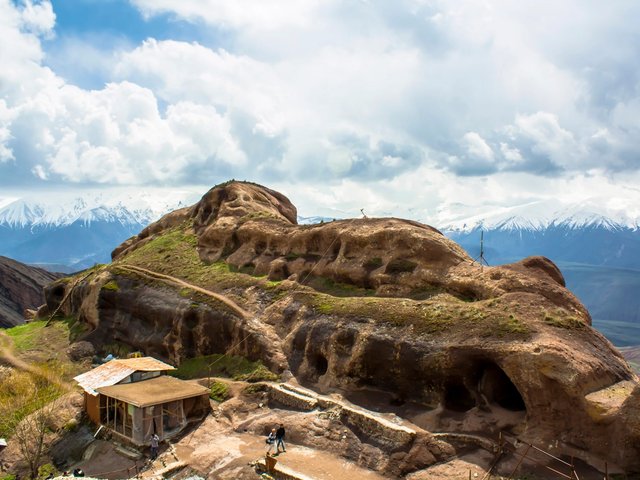
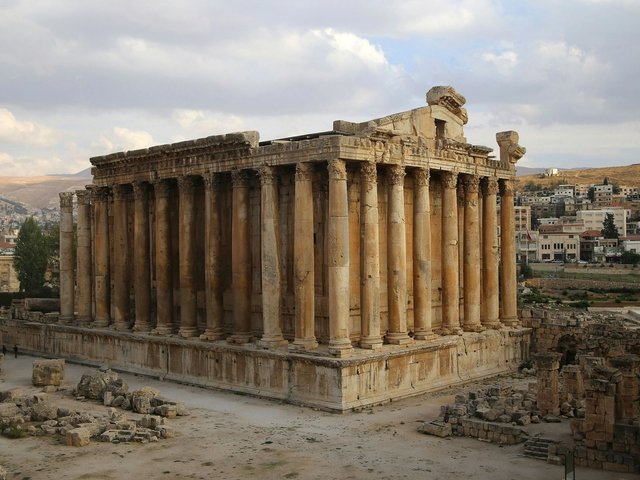
As of 9 June, Unesco says that it has “step[ped] up support”, as “damage has been confirmed to key sites, including the World Heritage site of Tyre, Beaufort Castle and Chama’ Citadel, all under enhanced protection, while strikes have been reported near other protected locations”.
Ghassan Salameh, the Lebanese culture minister, wrote a letter to Khaled El-Enany, the director-general of Unesco, on 5 June requesting urgent intervention to prevent the destruction of Beaufort Castle, after it was captured by Israeli forces on 31 May.
Salameh’s letter requests “the organisation's immediate and urgent intervention to engage with the relevant parties and activate all appropriate international mechanisms to prevent the destruction of the Beaufort Castle (Qalaat al-Chqif) site, following an extremely serious threat targeting this archaeological landmark”. He stressed that “silence or failure to act in the face of such a threat would open the door to violations whose consequences for cultural heritage protected under international law would be irreversible”.
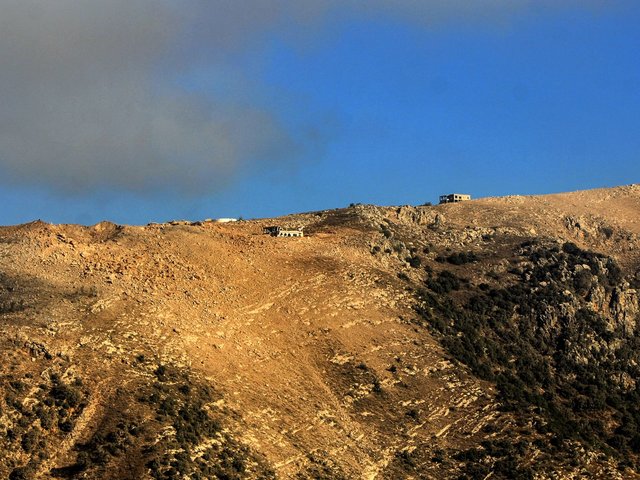
The Beaufort Castle, a Crusader fortress from the 12th century (famously visited by T.E. Lawrence on his great Levantine trek of 1909), has perhaps more than any Lebanese heritage site become a symbol of the long-running conflict in the country’s south. The medieval fortress was captured and recaptured by various Muslim and Christian leaders throughout the Crusades due to its strategic hilltop position. It was captured by Israel during the 1982 Lebanon war, and more recently has flown the flags of Hezbollah and Amal.
According to a 7 June statement from Israeli Defense Forces (IDF) spokesperson Effie Defrin, the area was targeted as “a strategic geographic asset from which Hezbollah launched approximately 400 missiles toward communities in northern Israel” and Israeli forces are now dismantling “a major Hezbollah underground infrastructure site ... carved deep into the rocky terrain”.
Lebanon’s Directorate General of Antiquities responded, however, disputing the IDF’s statement, warning that “such claims could be used to justify attacks on the historic site” and that Hezbollah infrastructure “shown in circulated maps and videos are far from the castle and unrelated to the archaeological complex”.
Beaufort Castle has been under the protection of the Lebanese culture ministry since 2000, and significant efforts have been taken to restore, rebuild and rehabilitate it in order to open it to the public as well as researchers and tourists. In 2024, Unesco granted the site Enhanced Protection status in recognition of its exceptional heritage value. Now many fear its imminent demise.
Alon Arad, an Israeli archeologist and the executive director of cultural heritage NGO Emek Shaveh, tells The Art Newspaper: “Historically Israel fortified the Beaufort and turned it into a modern military fort but also into a symbol for the occupation of southern Lebanon. When a site like the Beaufort becomes a symbol of either side in a conflict, it comes to be seen as legitimate target in the conflict. This is exactly why international law forbids turning cultural properties into military locations.”