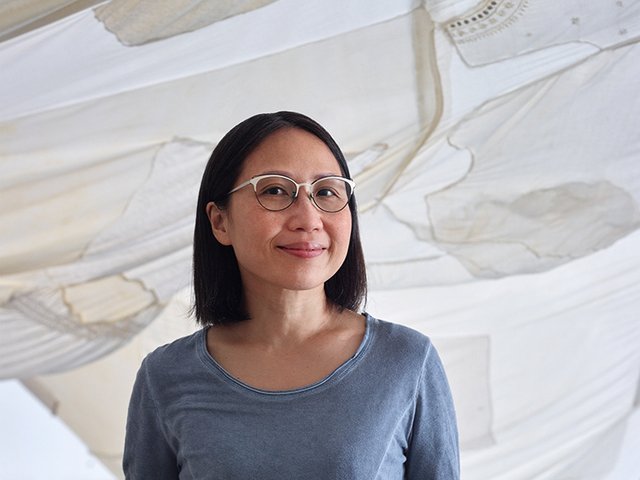
Growing up in Hong Kong, Isaac Chong Wai was fascinated by the city’s cultural icon Leslie Cheung. Besides being remembered as a Cantopop legend and multifaceted actor, Cheung, who died in 2003 by suicide, was also among a handful of pioneering celebrities who went public about their sexuality. The star’s wide-ranging performances left a mark on Chong’s formative years as he navigated his own identity.
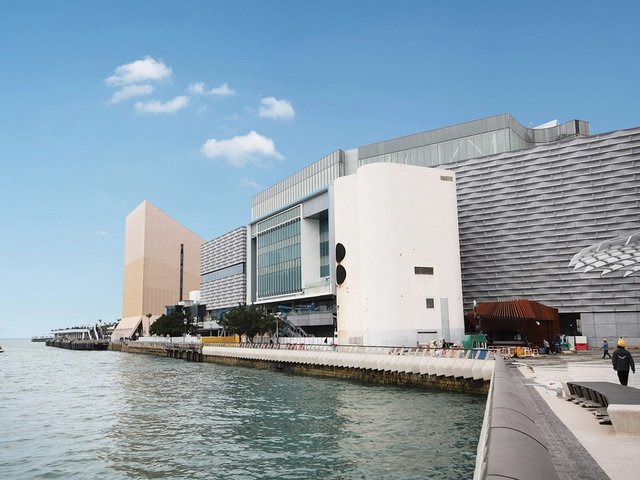
Chong has now cultivated a path of his own, leading a life as an Asian diaspora artist in Berlin while gaining international recognition for his practice, stretching from performance and sculptures to installations and videos. Following his major presentations at the 2024 Venice Biennale and 2025 Taipei Biennial, Chong recently returned to Hong Kong to stage his first solo live art exhibition, An Intimate Surrender, at Tai Kwun Contemporary, which ran until 9 August.
In this homecoming show organised by Louiza Ho, associate curator of Tai Kwun Contemporary, Chong developed a performance drawing inspiration from one of his idol’s most iconic films, Farewell My Concubine, as an entry point to critically explore the concepts of Asian masculinity and queer identity.
The Art Newspaper: You have lived in Berlin, your adopted home, for over a decade. What does it mean to you to stage a show in Hong Kong, the city where you grew up?
Isaac Chong Wai: Hong Kong is my hometown, so receiving a live art commission from Tai Kwun felt like a true homecoming. I began reflecting on my time growing up and asking, “Who am I?” I recalled my fascination with the late Cantopop star and actor Leslie Cheung. Growing up, he was more than an idol; he was a brave queer icon who lived authentically. His artistry had a profound impact on me and still does to this date. He became the primary inspiration for this performance.
Why did you choose the 1993 film Farewell My Concubine, directed by Chen Kaige, as your main reference?
I revisited the film, in which Leslie Cheung plays the character of Cheng Dieyi, a celebrated Peking opera artist renowned for playing the female Dan role. The film is a multi-layered story about performing, straddling the line between a fictionalised body and reality—his character falls in love with the man who is also his on-stage partner playing his character’s love interest. His character does not have a choice in reality, but through his performance he finds his freedom and the fulfilment of his desire for intimacy.
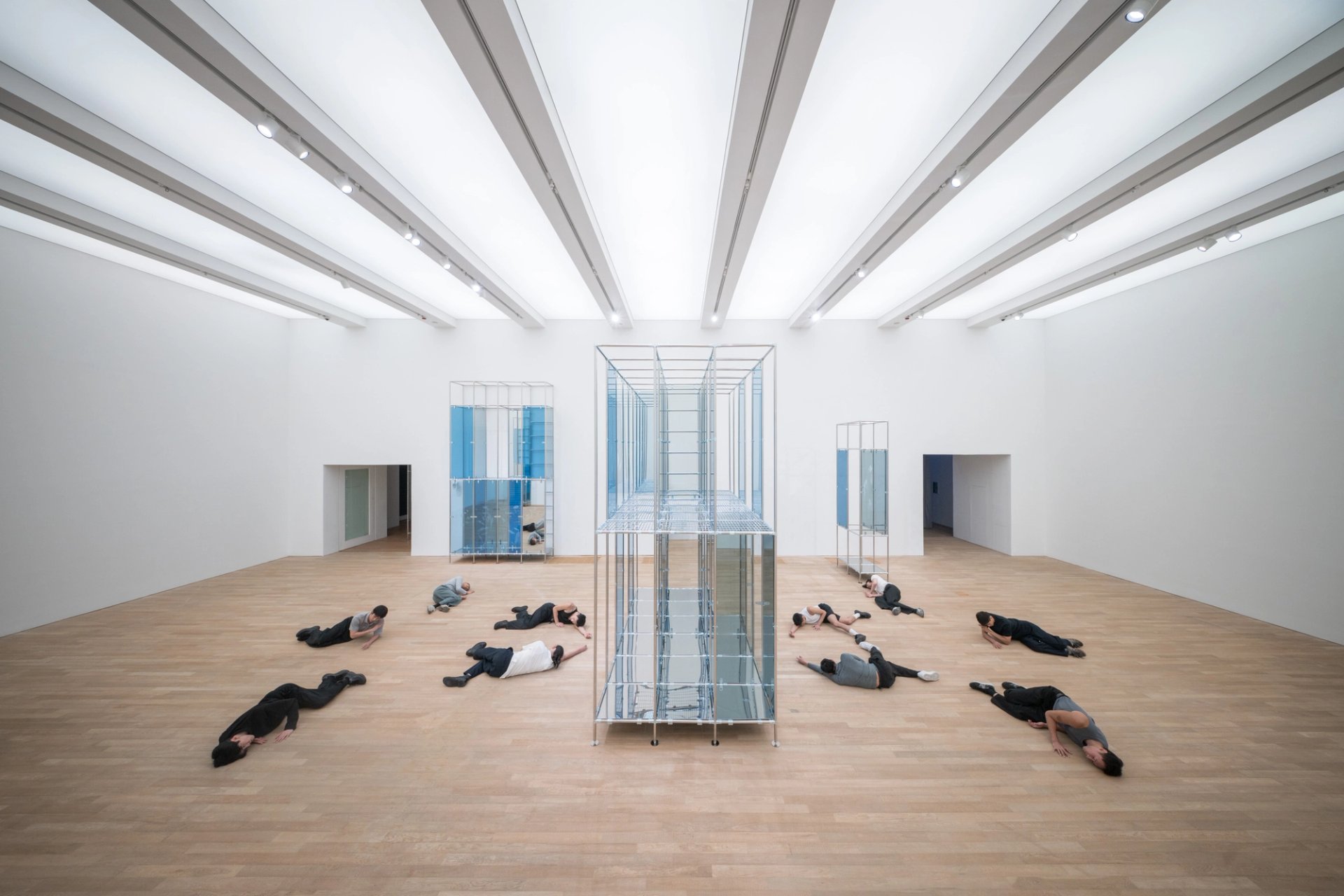
An Intimate Surrender Tai Ngai Lung
The film also has a Hong Kong connection. It was adapted from the novel of the same name by Hong Kong author Lilian Lee (Lee Pik-Wah). In her original story, certain scenes are set in Hong Kong. The story also centres around Peking opera—a form of Chinese opera that is an integral part of Chinese cultural heritage. Although the departure point of this work was rather personal, as I reflect on my roots and identity, I wanted to create a work reflecting on our wider cultural memories and connections to deeper cultural roots.
How are these elements reflected in your performance?
I don’t have a Chinese opera background but when I was kid, you would be mocked for using the “Orchid Hand” [a Chinese opera hand gesture played by the female Dan role, mimicking the gentle shape of orchid petals]. You would be labelled because of its perceived femininity. But why is this cultural gesture so engraved into our body that people can instantly realise what it stands for? It is a small gesture, but a very powerful one that shapes our gender performativity.
I intentionally used Orchid Hand gestures in my choreography. It leads the dancers to move in a certain direction while questioning these inherited cultural memories, as if they are already embedded in our bodies without us ever asking for them.
How did your performers respond to this?
We have about 11 dancers, mostly from Hong Kong as well as Taiwan, mainland China and the Philippines, with backgrounds from contemporary dance, ballet and Chinese dance. When I introduced the Orchid Hand during our rehearsal, the energy shifted dramatically. Their bodily movements immediately became curved and delicate, responding to the gesture’s femininity even if they weren’t trained in Chinese opera. It became a shared language among us. It was a fascinating process.
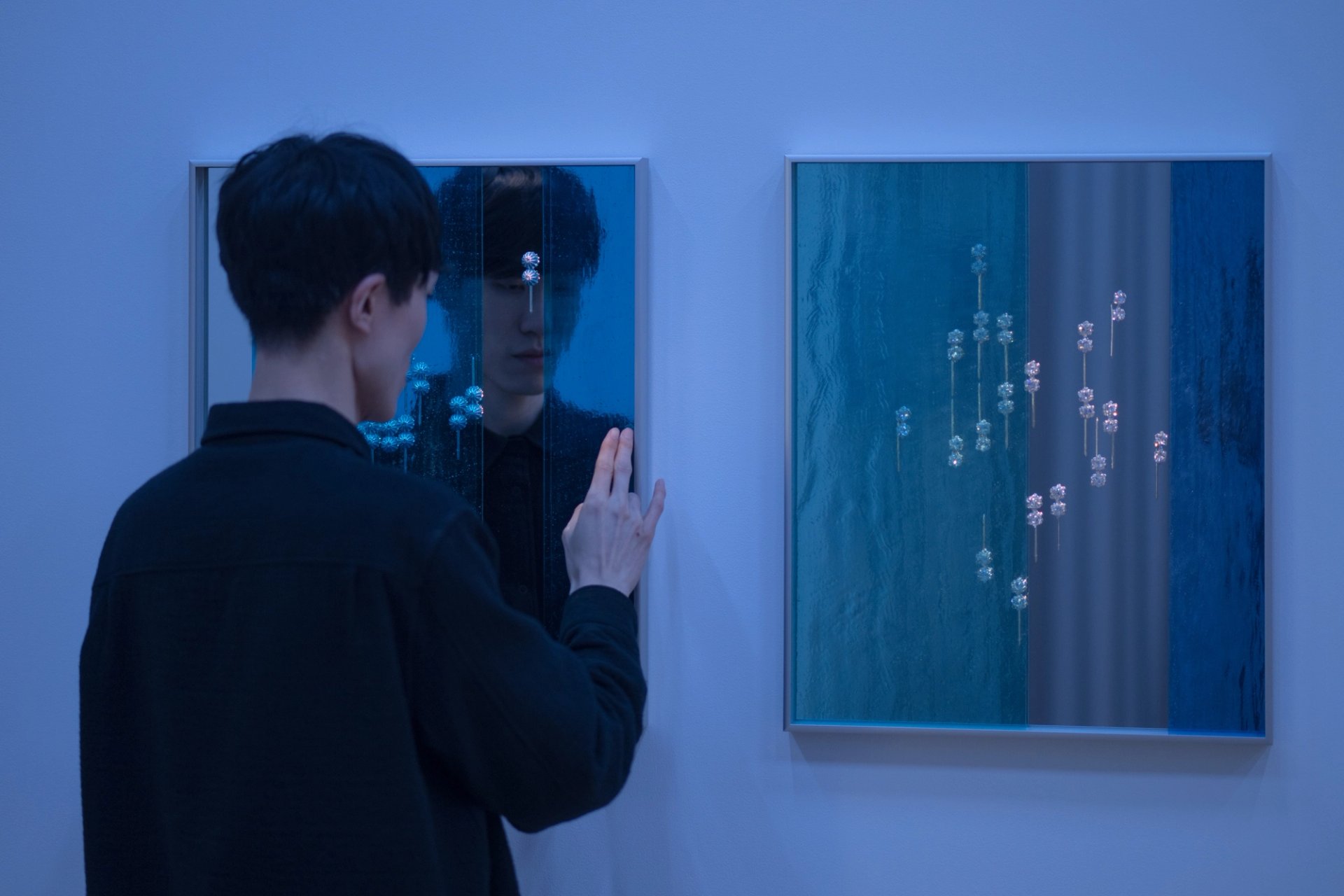
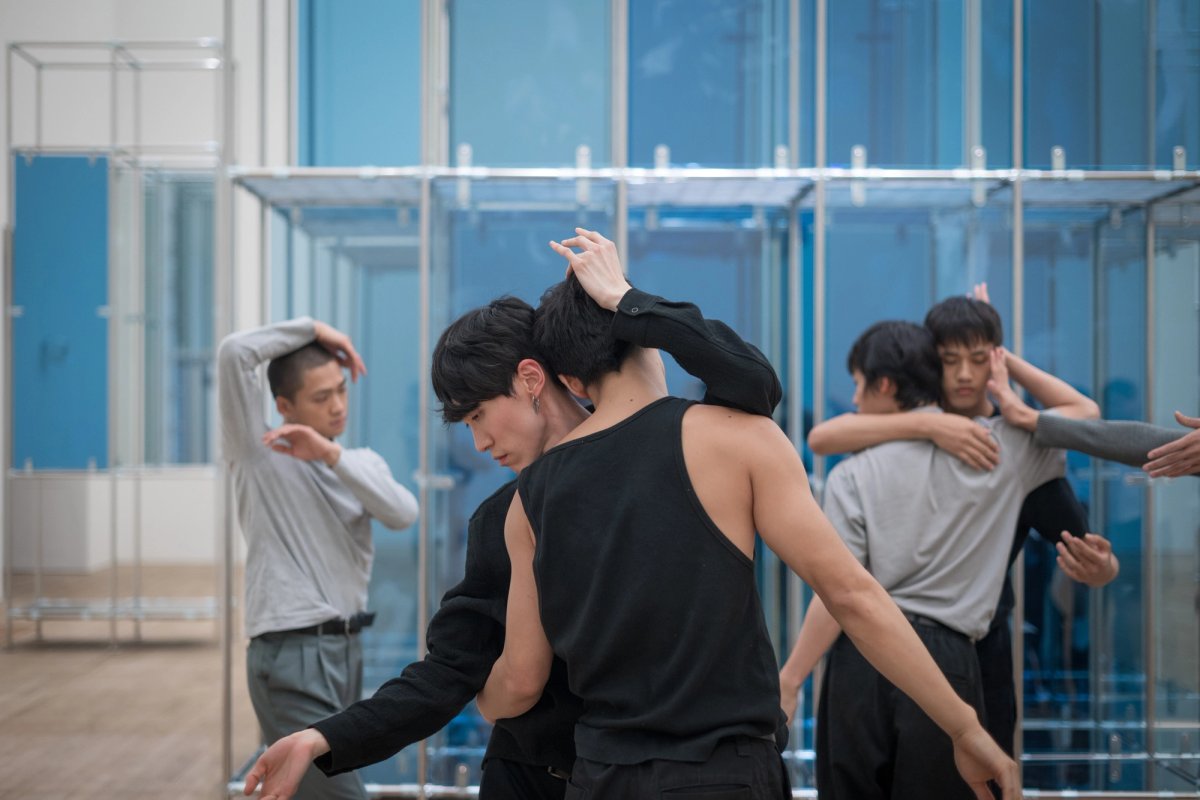
Chong’s durational performance An Intimate Surrender (2026) used the Chinese opera “Orchid Hand” gesture in its choreography “as a metaphor for identity and heritage” Tai Ngai Lung
Home is a major theme in art world discourse today. When you call this a “homecoming” show, what does that mean to you?
To me, home is family. I invited my family to see this show, and through this process, I spoke with my mother about her own experience performing Chinese opera during her childhood in northern China.
Having been away for nearly 15 years, I’ve reflected on my growth, particularly regarding my queer identity. Unlike Leslie Cheung, I wasn’t brave enough to discuss my sexuality then. My life abroad has shaped me into a different person. Returning to where I grew up, I am merging the familiar with the newly discovered to create a “new familiar”.
This echoes Cheng Dieyi’s journey. Through performance, he creates a world where he can experience intimacy and freedom. I’m proud to use the Orchid Hand as a metaphor for identity and heritage.
Would your career have been different if you had stayed in Hong Kong?
I did not have the chance to travel growing up. My desire to go abroad and have different cultural experiences emerged when I studied art at university. I began to explore the world after I graduated. A lot of my work responds to my life and my surroundings, so I can imagine my work would be quite different had I stayed in Hong Kong.
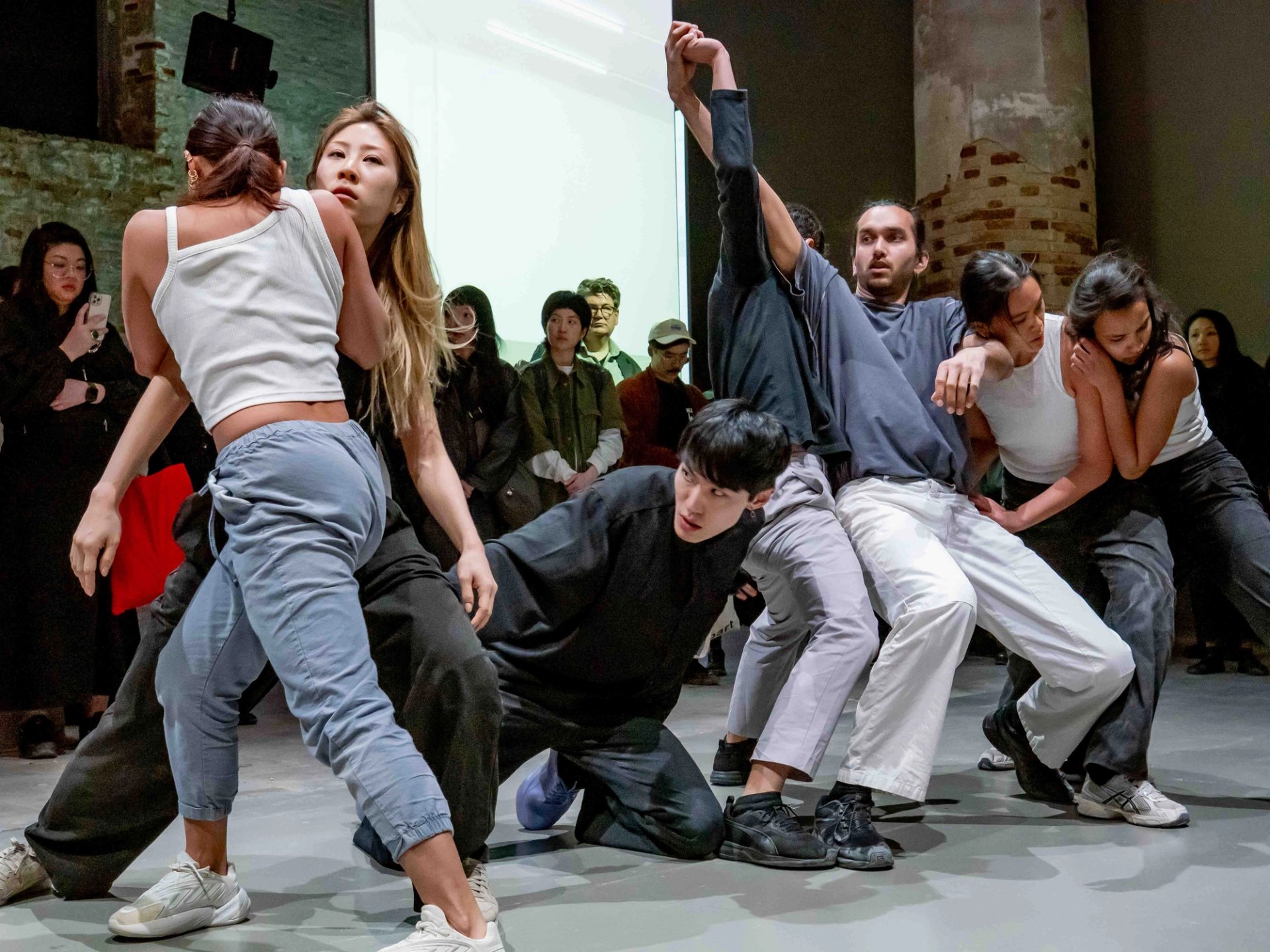
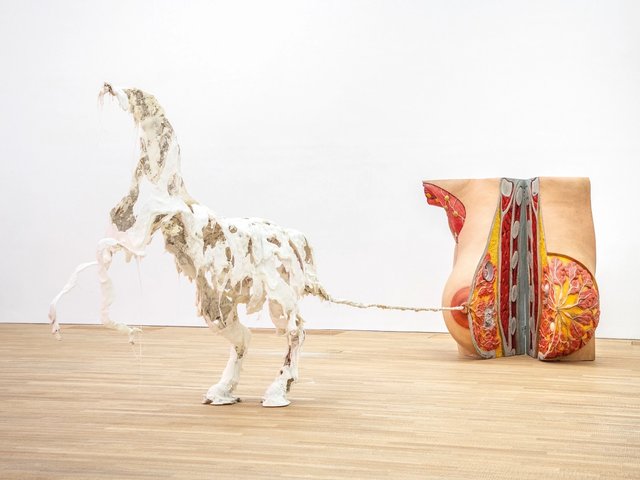
Chong’s Falling Reversely at the 2024 Venice Biennale combined live performance and multi-channel video Atsushi Kakefuda, courtesy of the artist and Blindspot Gallery
But does it mean that you would be considered “making it” if you have been abroad? There is indeed such a mindset among our generation growing up [in Hong Kong] during the British colonial times. But I would say it is more about working across different contexts, people and platforms. Take the Venice Biennale, where I showed in its main exhibition two years ago, for example. The show was seen by nearly 700,000 people. It is a platform that connects art with a wider audience, making art a part of their memories. Tai Kwun is also a platform serving similar purposes.
I hope there will be more spaces allowing artists to embrace the challenges and push the boundaries. I attended Berlin Pride [in July after] launching my Hong Kong show. I am still in shock at the brutal attack on this event [one person was killed and 29 injured in a terrorist attack]. It was a reminder that support and openness to differences cannot be taken for granted.
Biography
Born: 1990
Lives and works: Berlin
Education: 2012 BA, Academy of Visual Arts, Hong Kong Baptist University; 2016 MFA, Bauhaus-Universität Weimar, Germany
Key shows: 2023 Isaac Chong Wai in Dialogue with Joseph Beuys: The End of Growth, Museum Schloss Moyland; 2024 60th Venice Biennale and Bangkok Art Biennale; 2025 14th Taipei Biennial
Represented by: Blindspot Gallery, Hong Kong; Zilberman Gallery, Berlin and Istanbul