The new film An Incomplete Calendar, by the Iranian Canadian artist and film-maker Sanaz Sohrabi, thoughtfully employs archival footage and ephemera about the Organisation of the Petroleum Exporting Countries (Opec), reframing the oil cartel as both an agent of anti-imperialist solidarity and an unlikely vehicle for peace through cultural exchange.
Shown at the Vancouver International Film Festival earlier this month after winning a prize for the best debut feature this past March at the Cinéma du Réel festival in Paris, with a plethora of upcoming festival screenings, the film is especially timely in the midst of US and Israel’s war with Iran. In it, Sohrabi subverts the typical talking-heads documentary format by using poetic voiceovers—her own as well as those of the writer and curator Murtaza Vali, scholar Laleh Khalili, journalist Layla Maghribi, professor Leonardo Montaño Salas and others—as she visually centres archival materials.
“Over the course of six years, I gathered the archives for this film while I was working on my trilogy about the colonial history of extraction in Iran and West Asia,” Sohrabi said in a statement. “I collected a repository of archives without realising I was piecing together remnants and fragments of the Third World’s political calendar of independence and economic sovereignty. I layered rarely seen anticolonial magazines, stamps, newsreels and ephemera—found in flea markets, bookshops, online exchanges and mailed across continents—to shape the film’s narrative and visual structure.”
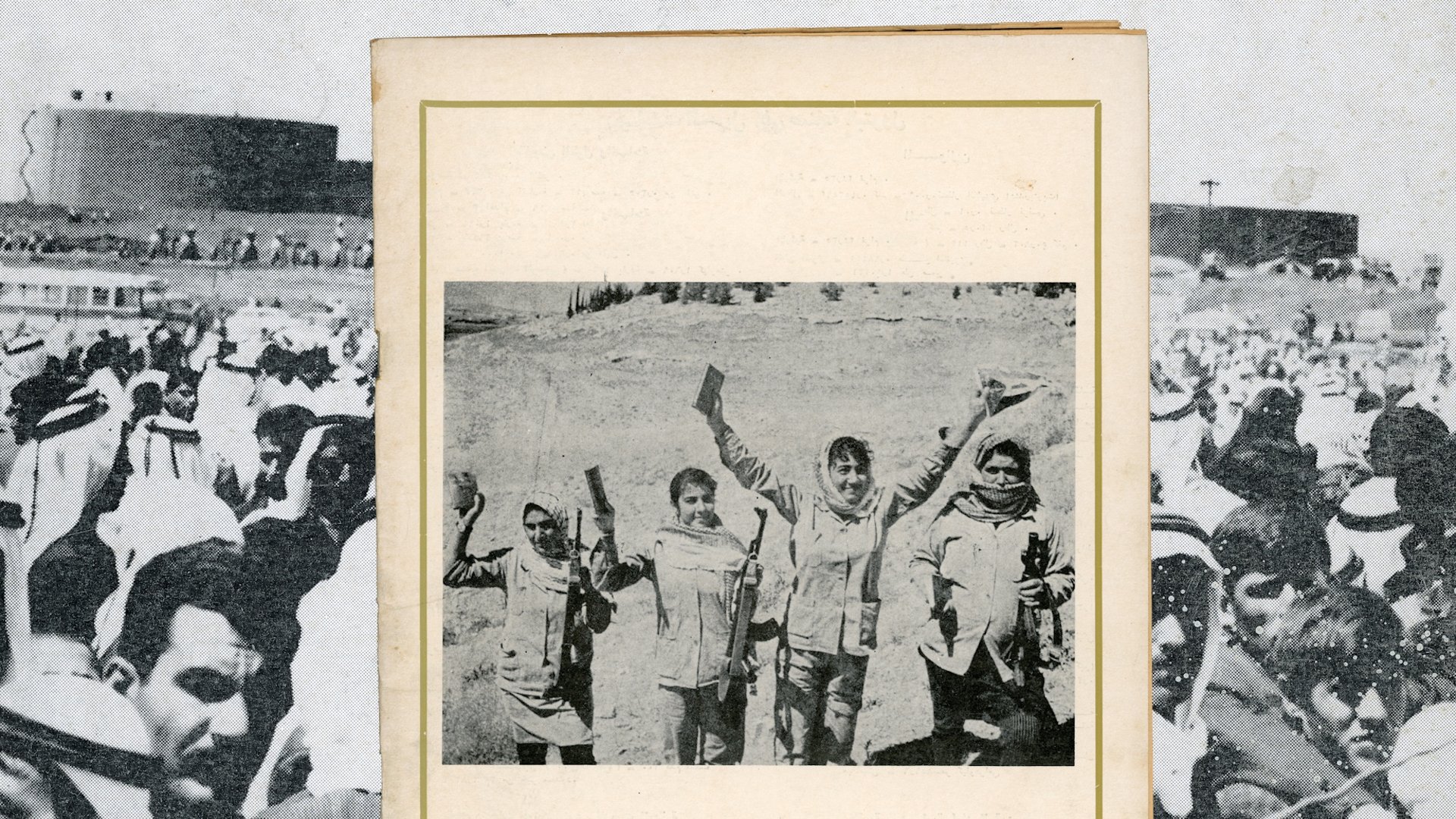
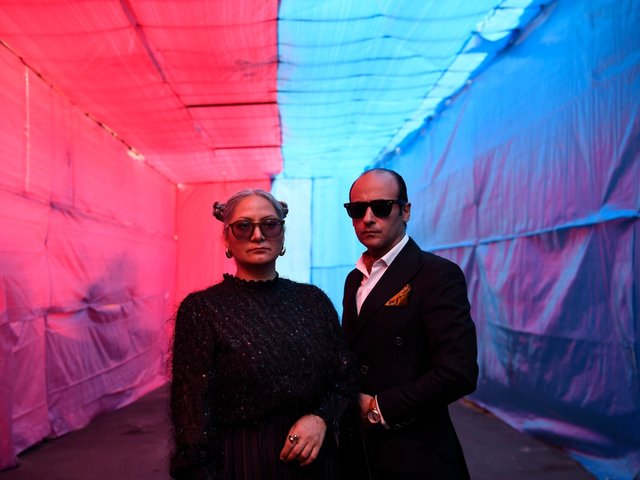
A scene from Sanaz Sohrabi's documentary An Incomplete Calendar (2026) © Sanaz Sohrabi
The film documents a key moment when political decolonisation in the 1950s empowered newly independent Asian and African nations to pursue economic sovereignty. Its timeline spans Pan-Arabism and the Arab-Israeli wars of 1967 and 1973. Archival footage from British Petroleum conveys both the mid-century optimism that began with the creation of Opec in Baghdad in 1960 and its poignant denouement, when the war between Iran and Iraq (with Ronald Regan’s administration funding both sides) began in 1980.
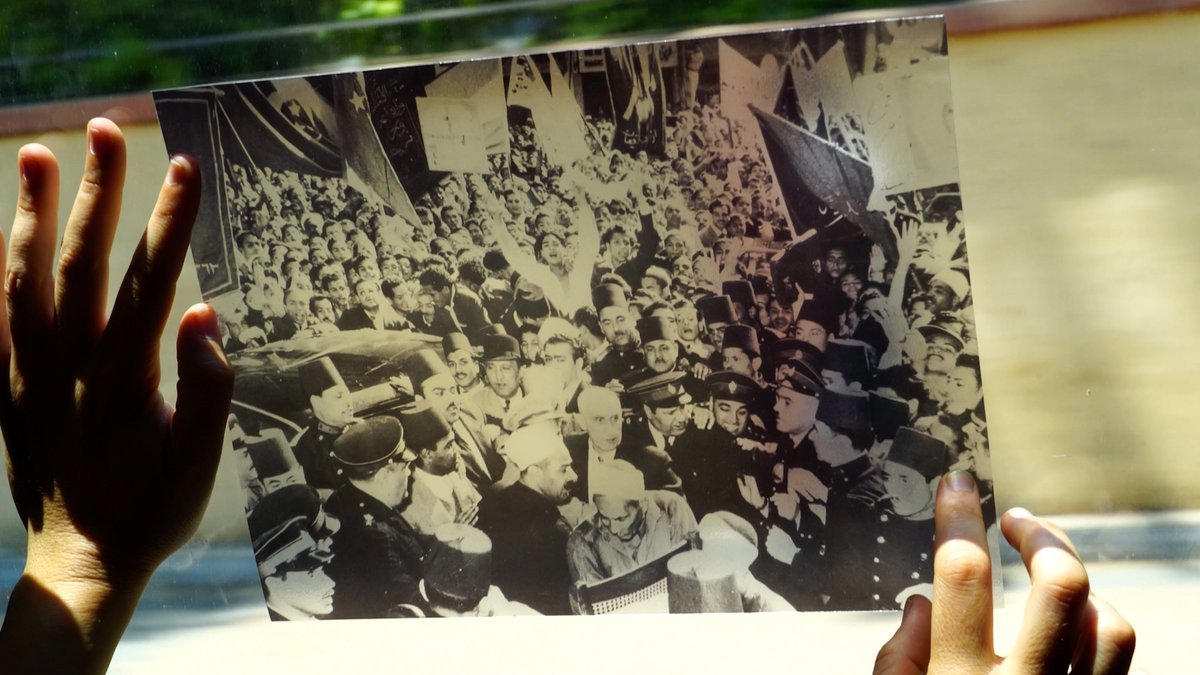
Footage of the Iranian Prime Minister Mohammed Mossadegh’s historic 1951 visit to Cairo before he was overthrown in a CIA-backed coup after nationalising the oil industry is of particular interest, as is footage of Egyptian President Gamal Abdel Nasser after he nationalised the Suez Canal Company (the joint British-French enterprise that operated the commercial waterway). While relations were never quite the same between Egypt and Iran when the Shah came to power, that mid-century moment (a voiceover from an Egyptian woman speaks of her relative’s pride at living on the newly named Mossadegh Street in Cairo) serves as a memento of rare Shiah-Sunni solidarity, as war now rages between Yemen and Saudi Arabia, Iran is bombed by the US and Israel, and Iran in turn bombs US allies in the region. Sohrabi began her project six years ago, researching and filming in Tehran, Cairo, Beirut and Caracas; she had no way of knowing just how timely her documentary would be.
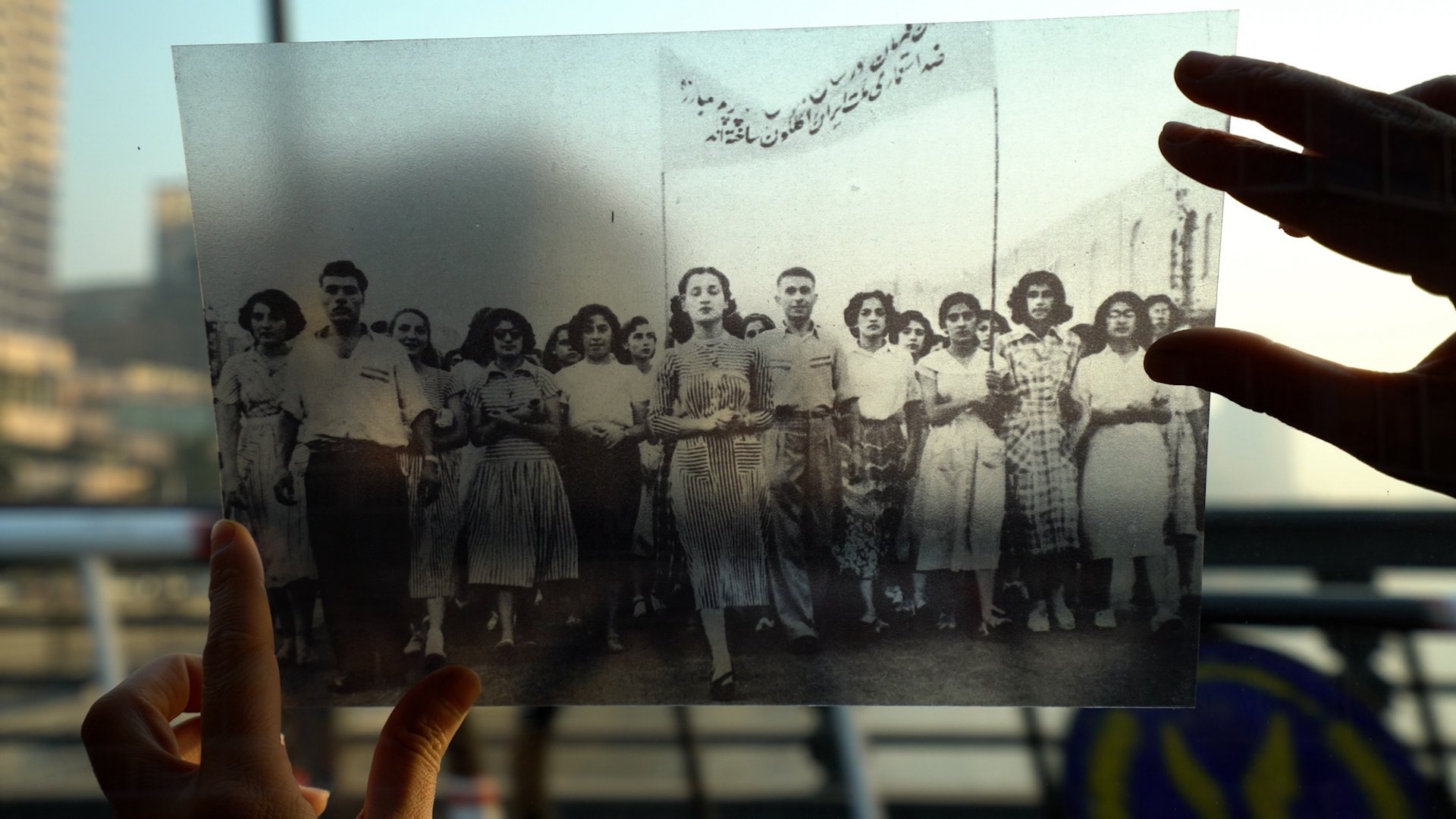
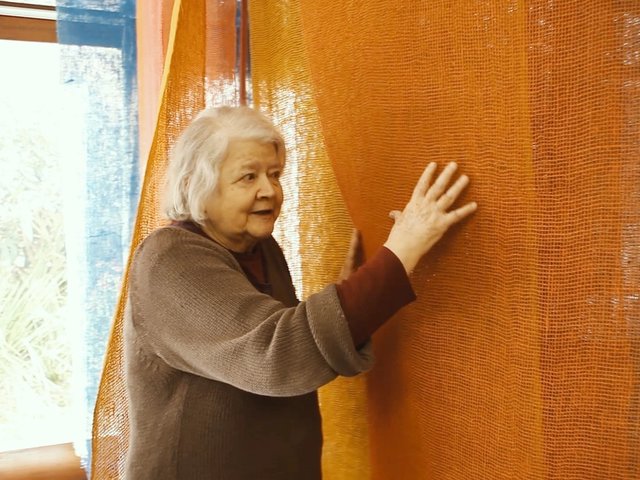
A scene from Sanaz Sohrabi's documentary An Incomplete Calendar (2026) © Sanaz Sohrabi
Beyond its archival value, the film—which Sohrabi says was inspired by Mona Damluji’s 2017 book Pipeline Cinema: The Cultural Infrastructure of Oil Extraction in Iran and Iraq, on the history of BP films made in the region—offers a unique cultural perspective. Sohrabi rediscovered a little-known 1980 vinyl, Rhymes and Songs for Opec, a recording by the Central University of Venezuela’s concert choir commemorating the organisation’s 20th anniversary, and makes it the film’s starting point. Through interviews with former choir members, we learn that the choirmaster taught songs from Algeria, Iraq, Oman and many other Opec countries, in Arabic dialects, Farsi and even Yoruba.
Scenes from Tehran’s Museum of Contemporary Art—designed by Kamran Diba under the patronage of Empress Farah and opened in 1977—offer haunting images of art and conditions before and after the 1979 revolution. Unearthed from the BP archive is an unforgettable clip of a Japanese artist who creates his own petroleum-based installation, featuring a fountain of oil that melds Zen and Persian features.
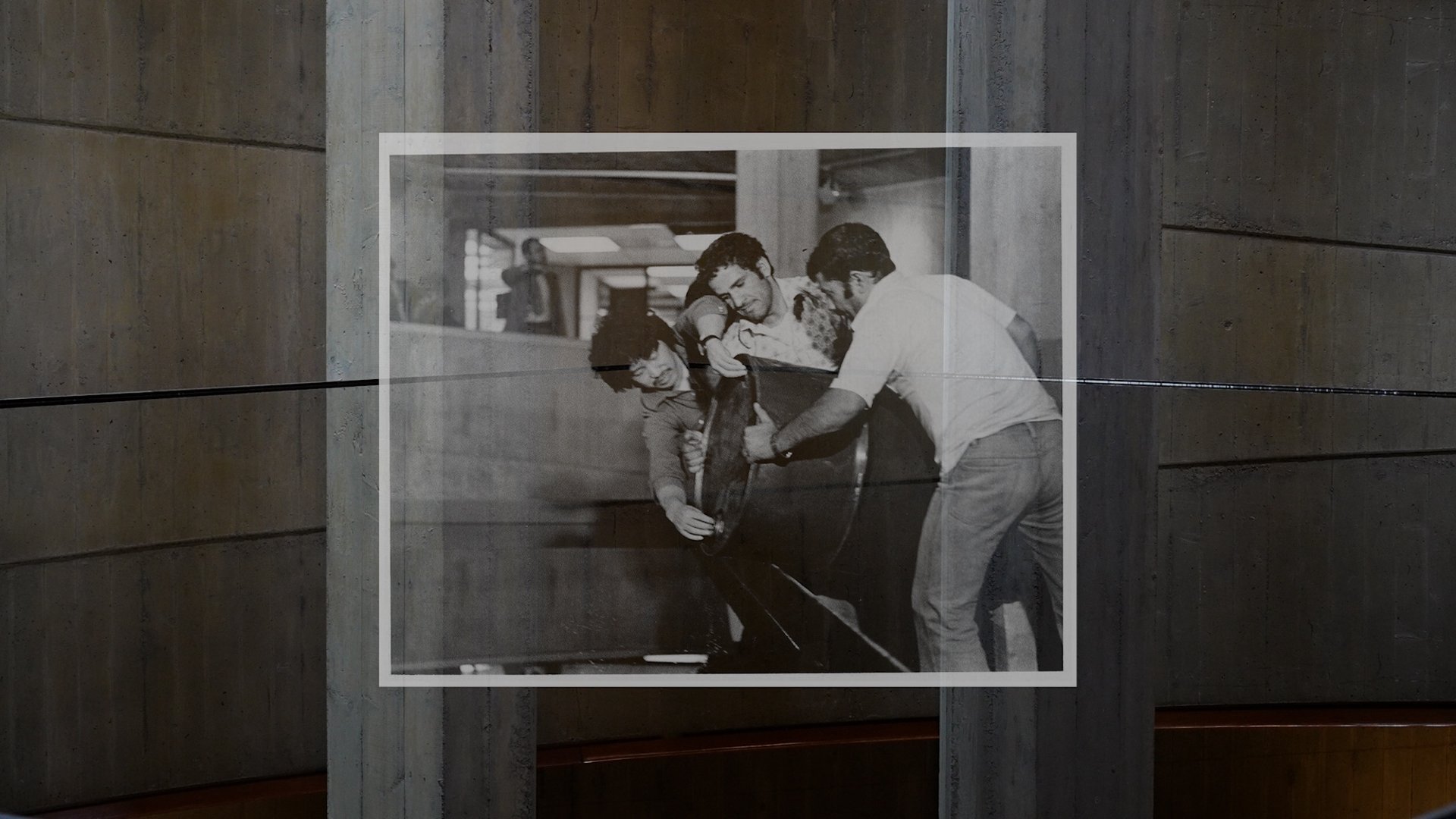
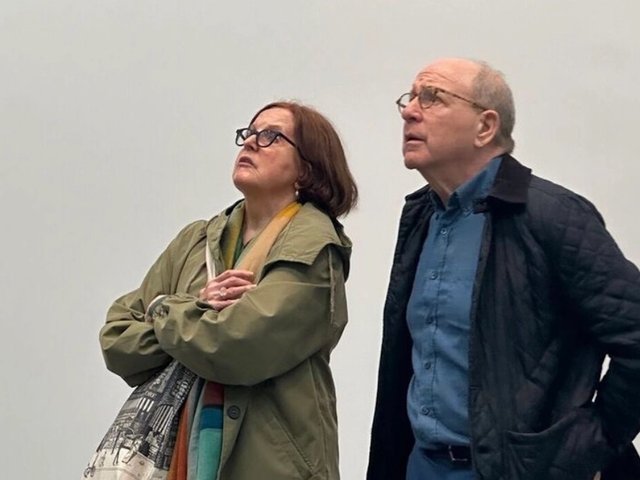
A scene from Sanaz Sohrabi's documentary An Incomplete Calendar (2026) © Sanaz Sohrabi
Those scenes are juxtaposed with footage from the Aula Magna auditorium at the Universidad Central de Venezuela in Caracas, a Unesco World Heritage site where Alexander Calder’s monumental commission Floating Clouds (1953) still has pride of place. Here, the film-maker appears reading Farsi poems to an empty auditorium, as an anonymous viewer stands opposite with a mirror, reflecting poetry into the suspended sculpture.
This image of cultural exchange in the midst of ongoing war and horror is juxtaposed with footage of a cut-out image of the Iranian Oil Minister Mohammed Javad Tondguyan—who was captured and held hostage in Iraq at the beginning of the war in 1980—speaking at an Opec meeting earlier that year. An Incomplete Calendar ends at the moment in 1980 when “third world” secular solidarity among Opec members was superseded by political Islam, revolution and war. Yet the scenes filmed inside the Caracas auditorium suggest the phantom possibility of another way.
Watch a trailer for Sanaz Sohrabi's An Incomplete Calendar:
- Upcoming screenings of An Incomplete Calendar include the Valdivia International Film Festival in Chile (until 18 October), the Cali International Film Festival in Colombia (until 25 October), the Boston Palestine Film Festival in the US (until 25 October) and more.