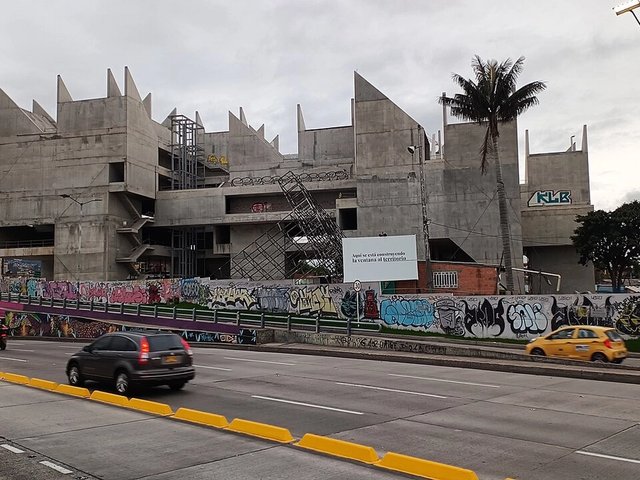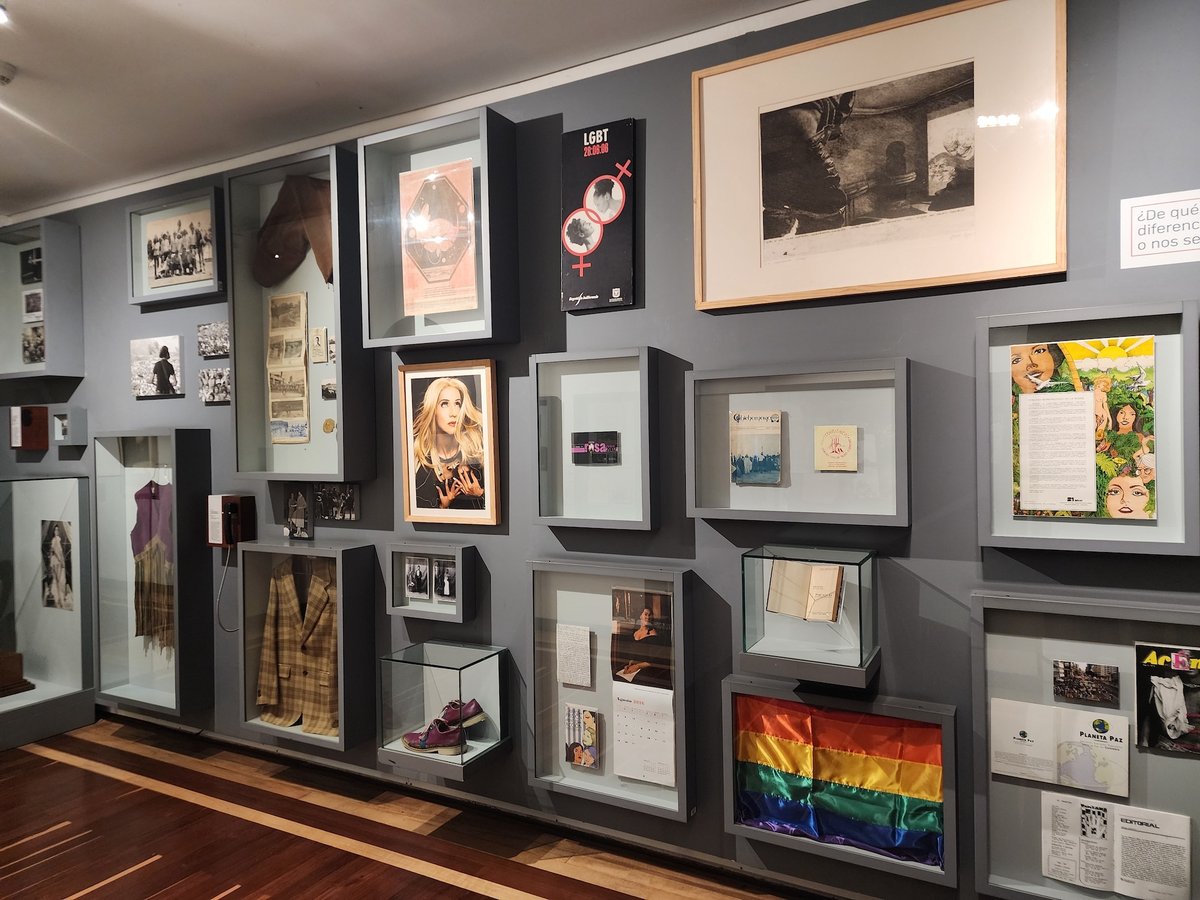
Bogotá’s Museo Nacional de Colombia has reinstalled the 63 objects previously taken down from its permanent galleries over claims of “political indoctrination”. The move followed a court order that reversed the national government's removal of the items on 15 October.
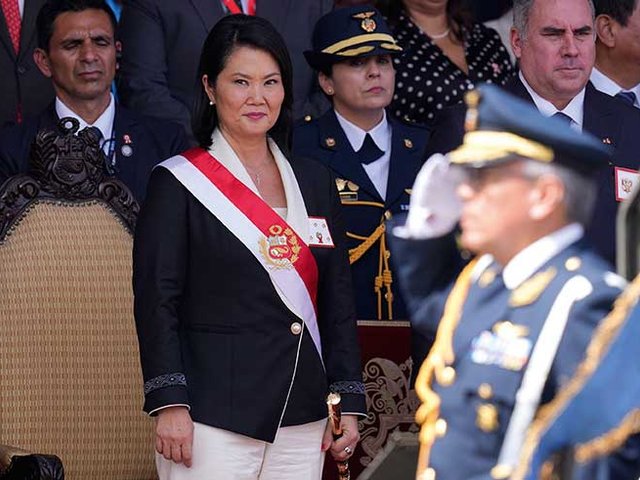
On the evening of 28 October, César Enrique Osorio Ortiz—a judge at Bogotá’s 24th Family Court—ordered Colombia’s cultural ministry and the museum to return the works to their original locations within 48 hours. The ministry complied with the order on Friday (30 October).
The decision came in response to a constitutional-rights case filed by cultural groups and political opponents who had accused the government of the country's far-right President Abelardo de la Espriella of censorship. The judge also ordered both institutions not to remove works based on their content or the views they express.
Among the removed pieces were a pride flag belonging to the activist Elizabeth Castillo, a pen made from a bullet that was used to sign the 2016 peace agreement between the state and the Revolutionary Armed Forces of Colombia, and a poster for the International Day for the Elimination of Violence Against Women.
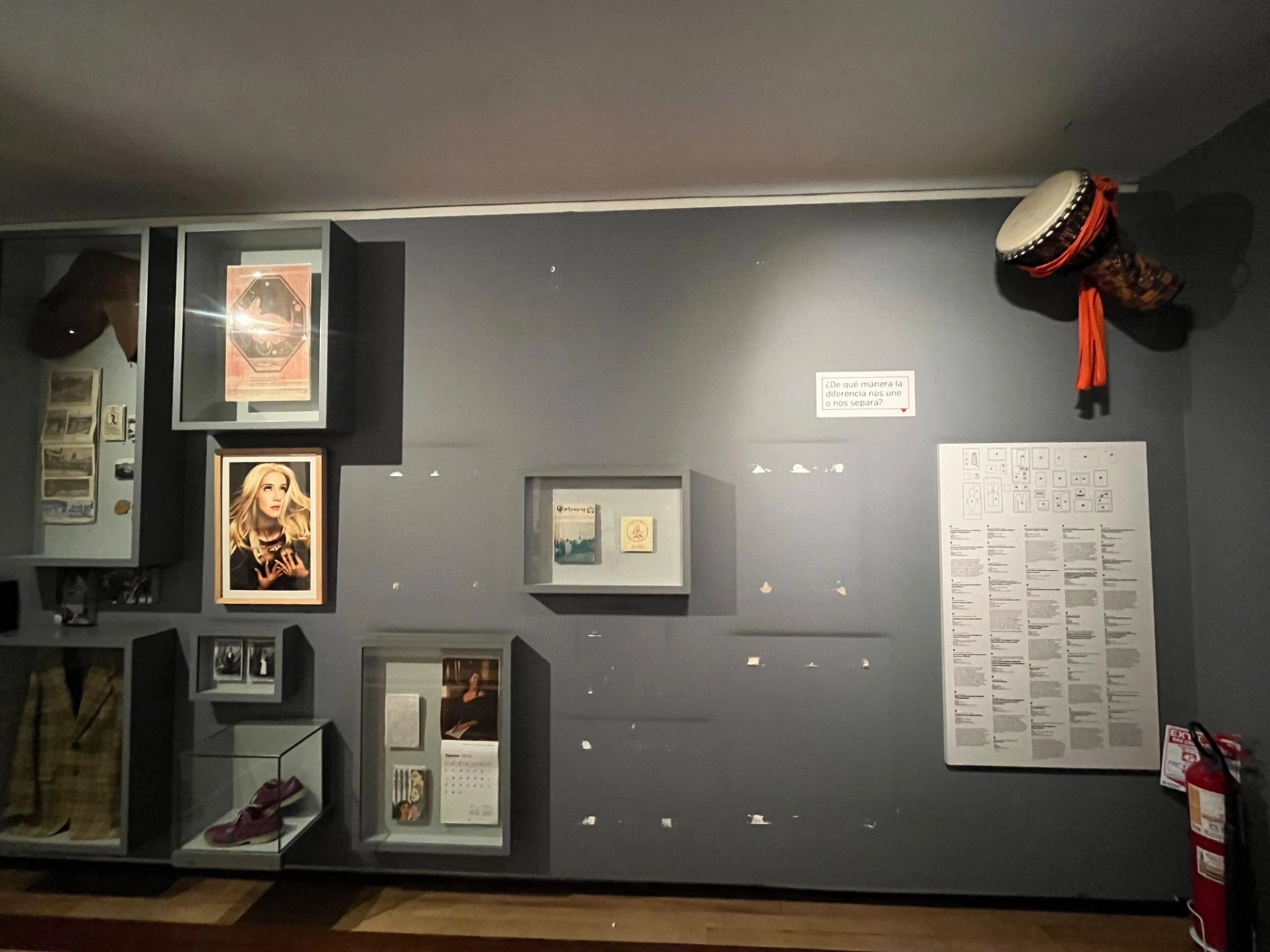
Empty spaces where items had been removed from the museum walls Courtesy Colombia Diversa
The removals came amid calls by De la Espriella for a “cultural war” and a “direct blow to ‘wokeism’ and the ideologisation of culture”, an offensive that affected the country’s main museum.
The government’s decision sparked a series of protests during which hundreds of people gathered outside the museum, as well as a joint statement by six museums expressing “deep concern” and calling for the protection of their professional autonomy. The signatories included the Modern art museums of Bogotá, Barranquilla, Cartagena, Medellín and Tolima, as well as the Museo Rayo.

Marielsa Castro Vizcarra, the chief curator of the Museo de Arte Moderno de Medellín (which signed the joint statement), tells The Art Newspaper that the cultural sector responded quickly, from street protests to the statement and the involvement of the International Committee for Museums and Collections of Modern Art. Castro described the incident as “a precedent we need to take into account” and “an authoritarian way of spreading fear”.
According to the judge's ruling, the artefacts had been removed “without a documented curatorial justification” in a decision that “disregarded the constitutional protection of cultural expressions”. The court did not rule out future changes to the exhibitions, provided they are properly justified and not based on the authorities’ objections to the works’ content.
“No government owns our history!” wrote Gabriel Becerra, a left-wing lawmaker behind the constitutional-rights case, in a post on X welcoming the court’s decision.