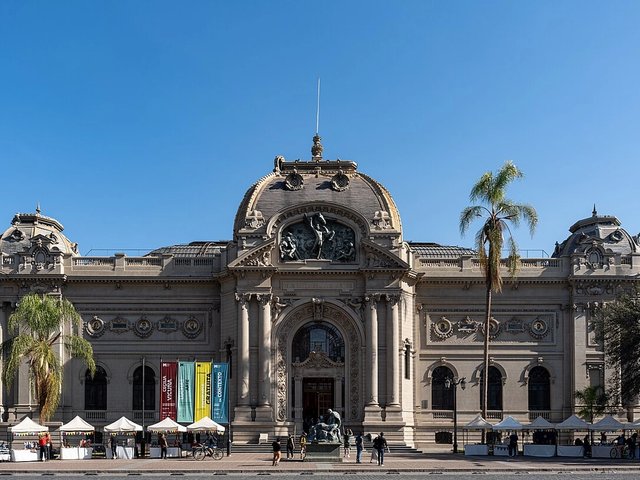
Colombia's government has removed more than 30 works from the permanent displays of the Museo Nacional de Colombia in Bogotá—including materials related to feminist and LGBTQ+ movements, and the country's 2016 peace agreement—citing "political indoctrination".
The decision sparked protests outside the museum over the weekend and prompted six other museums to issue a joint statement calling for the measure to be reconsidered. The case also reached the courts on Monday (19 October), when a judge ordered that the museum halt any further removals without formal justification.
Among the items taken down from the permanent galleries “Hacer sociedad” (Building society) and “Memoria y Nación” (Memory and Nation) were a pride flag belonging to the activist Elizabeth Castillo; campaign posters for the presidential candidates Bernardo Jaramillo Ossa and Carlos Pizarro, both assassinated in 1990; and a poster for the International Day for the Elimination of Violence Against Women.
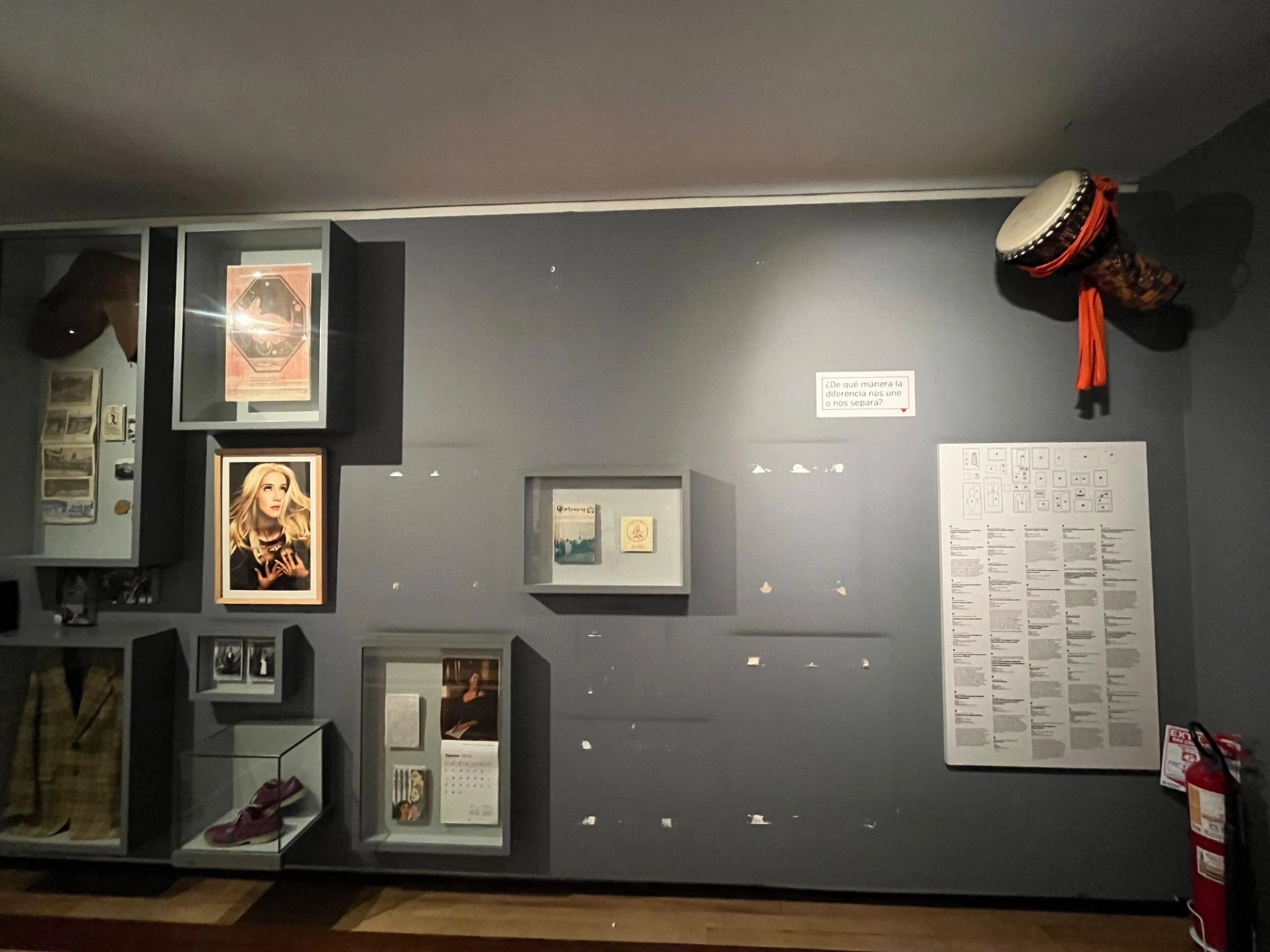
Empty spaces where items were removed from the museum walls Courtesy Colombia Diversa
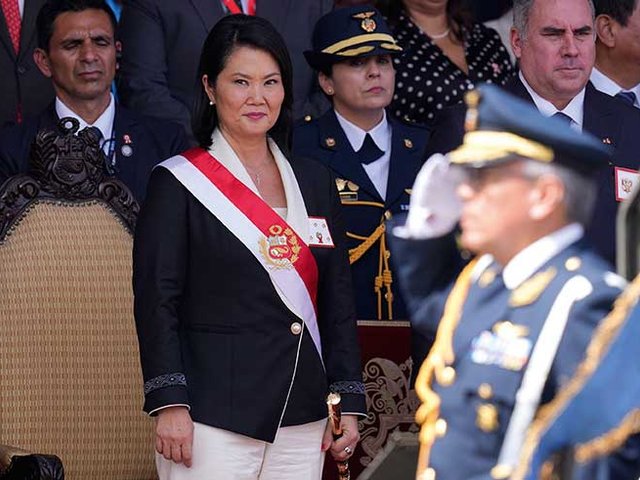
The move came as President Abelardo de la Espriella announced plans to rename the Ministerio de las Culturas, las Artes y los Saberes (Ministry of Cultures, Arts and Knowledge) as the Ministerio de Cultura y Patrimonio (Ministry of Culture and Heritage). The president said recently that the ministry “must return to its proper name”, adding: “The explicit inclusion of the word patrimonio is a direct blow to ‘wokeism’ and the ideologisation of culture, which is exactly what we are fighting.”
Culture Minister Paola Holguín defended the government’s removal of objects in a post on X, saying the museum's institutional role “is not to serve as an instrument of political indoctrination or a platform for spreading biased versions of our history”. She also said the museum cannot become a place for “glorification of crime or revictimisation”. Holguín added: “The museology and curatorial practices of the various spaces overseen by the ministry are being reviewed and redesigned.”
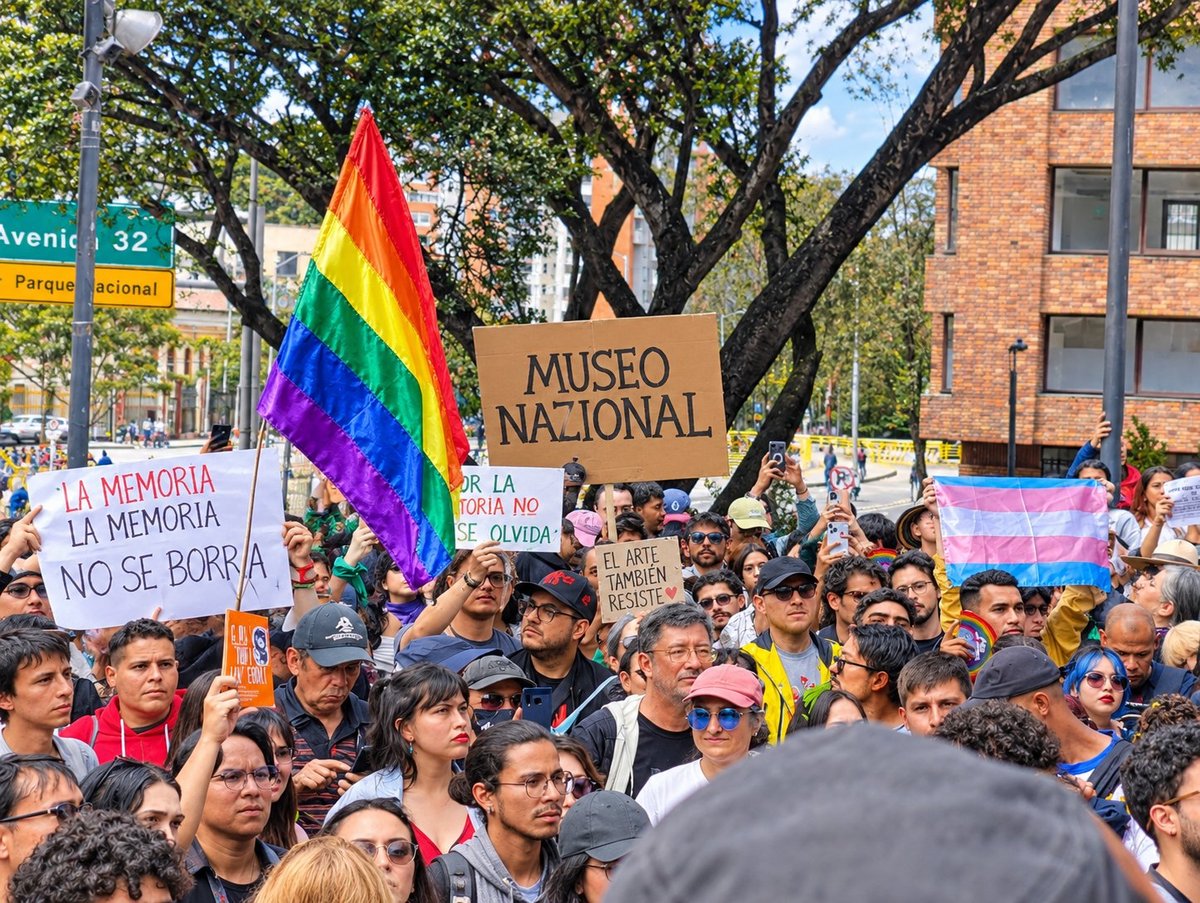
Over the weekend, hundreds of people gathered outside the Museo Nacional on Carrera Séptima—one of Bogotá's main thoroughfares—to protest censorship at the museum. Some protesters reproduced the works that had been taken down and pasted the images onto an art installation outside the building. Others held signs reading "Museo Nazional” (a reference to Nazism) and “La memoria no se borra” (Memory cannot be erased). On both Saturday and Sunday (17 and 18 October), riot police dispersed the crowds using tear gas, stun grenades and water cannons.
The dispute reached the courts on Monday, when a Bogotá judge ordered the museum to preserve the works already taken down and halt any further removals based on their content without formal justification. The temporary order followed a constitutional-rights case filed by representatives of LGBTQ+ groups. The judge, César Osorio Ortiz, also asked the cultural ministry to explain the legal basis for its actions.
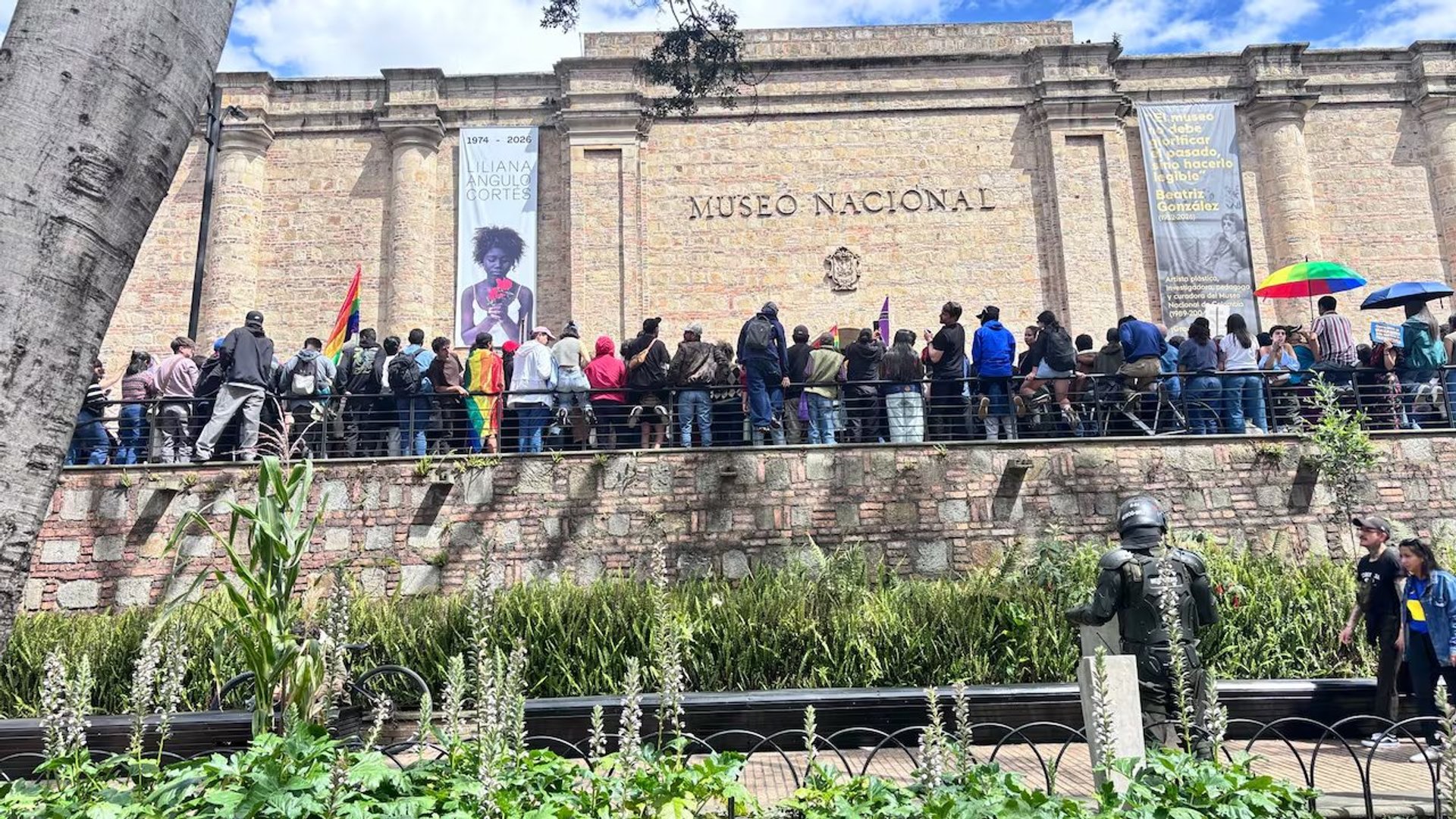
Courtesy Prensa Mercosur
Meanwhile, six Colombian museums—including the Museo de Arte Moderno de Bogotá and the Museo de Arte Moderno de Medellín—issued a joint statement expressing “deep concern” and calling for the protection of museums' professional autonomy.

“No government should decide which parts of our history we can see based on its political preferences, or impose one version that suppresses all others,” the museums said in the statement addressed to Holguín. The statement calls for a public review of the decision to remove works from the Museo Nacional.
For now, the pieces remain off display; the courts have yet to rule on the case itself.
Founded in 1823, the Museo Nacional is one of the oldest museums in the Americas. It has been without a permanent director since Liliana Angulo Cortés died in February. During her tenure, Angulo helped bring more diverse perspectives to the museum's curatorial approach.