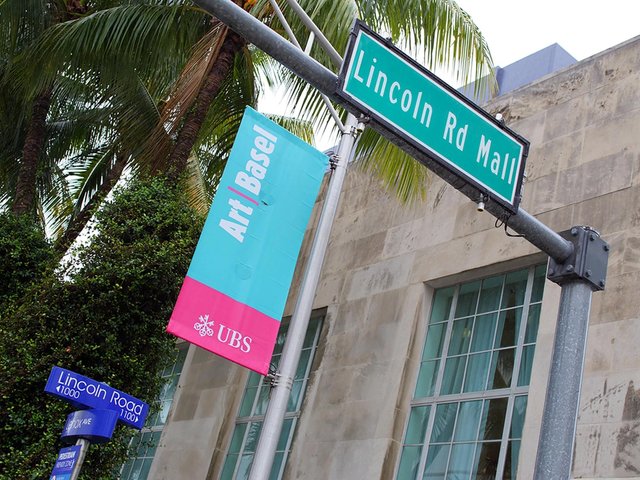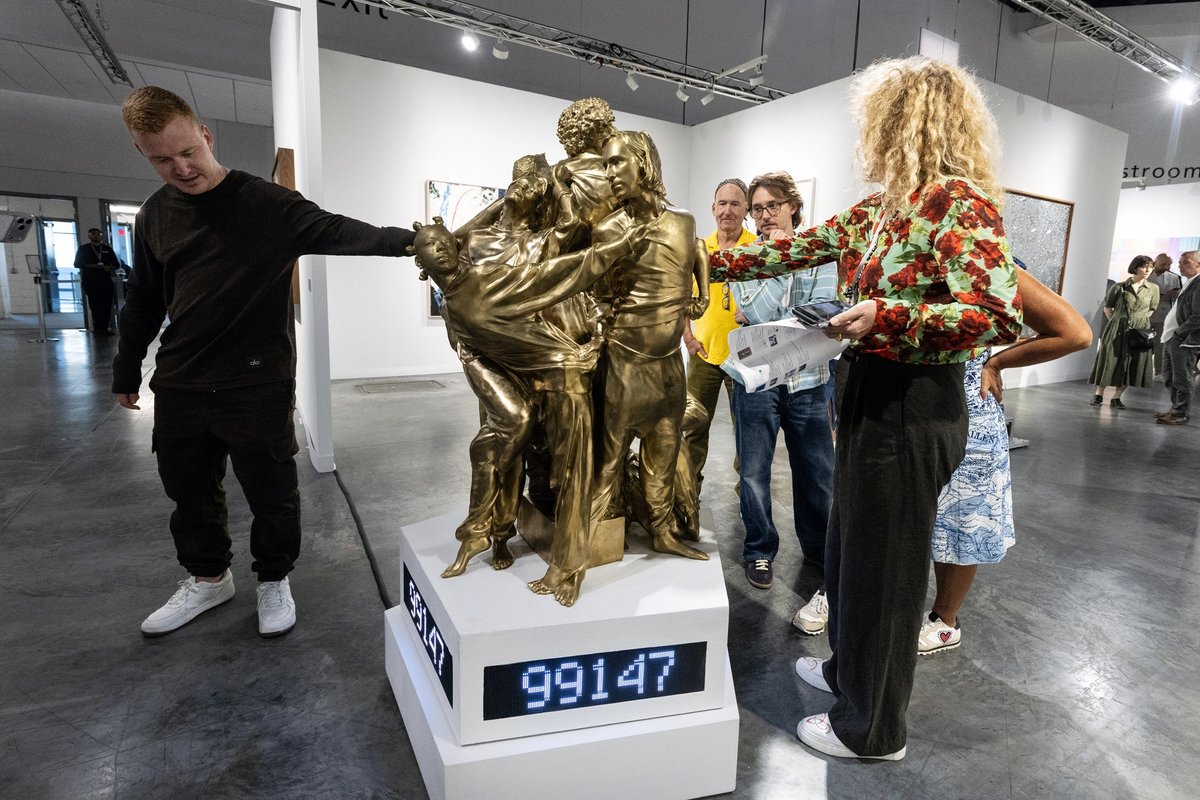
As Art Basel Miami Beach prepares to return to the city, a group of local artists and organisers is asking the Miami art community to reconsider its relationship with the busy week of fairs that takes over the city every December. The grassroots collective Artists 4 Artists Miami announced plans for its “Art Basel Boycott” at a protest outside the Miami Beach Convention Center at the end of last year’s edition of the Switzerland-based fair. Now, after a year of preparation, the collective is launching its first campaign, inviting local artists, curators, gallerists, collectors and residents to reconsider their participation in Miami Art Week’s fairs while building alternatives rooted in the community.

In a city whose international cultural profile has become virtually inseparable from the Art Basel brand, the boycott poses a difficult question: can Miami’s arts economy sustain its local creative community without depending so heavily on the machinery of a global art fair? Oorganisers are not calling for a blanket rejection of Miami Art Week or even its tentpole event. Instead, organisers envision a longer-term effort to challenge the economic and political structures surrounding the fair and redirect attention toward local artists, independent galleries and experimental programming.
“We realise that in order to refuse to take part in something as intertwined and culturally impactful as Art Basel, you really have to start building an alternative,” says misael soto, an artist and founder of Artists 4 Artists Miami.
The campaign grew out of the collective’s broader efforts to connect cultural work with other grassroots struggles. After spending much of 2025 supporting campaigns led by other organisations, Artists 4 Artists Miami began considering how it could mobilise its own community. Its participation in protests organised by Jewish Voice for Peace and other groups opposing the war in Gaza helped crystallise the idea, soto says, prompting organisers to examine the connections between the art market, housing affordability, labour conditions, and the companies that benefit from the fair.
For soto, Art Basel has become a focal point for these overlapping concerns. The fair generates significant economic activity, but the group questions how much of that value reaches Miami’s working artists and residents, particularly as the city becomes increasingly expensive. The group also points to the environmental and infrastructural costs of hosting an international event, and to the political and corporate interests associated with some of its major partners and investors.
Those concerns extend to the fair’s relationship with the city itself; soto points to a recent Miami Beach Commission decision concerning Art Basel’s rental agreement for the Miami Beach Convention Center, which reduced the fair’s rent from nearly $1m to around $500,000 and committed the equivalent of an additional $300,000 in public funds toward first-responder and security costs. The group questions whether the benefits the fair brings to the community justify the public resources devoted to it.
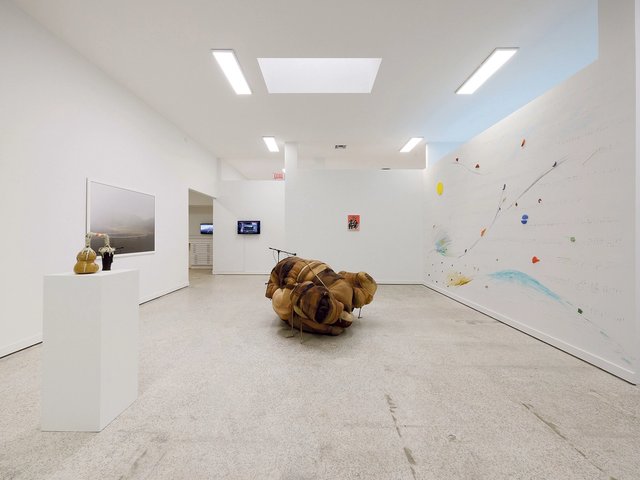
And yet, as the Artists 4 Artists Miami organisers acknowledge, Art Basel is deeply embedded in Miami’s cultural identity and economy. For many artists and arts workers, Miami Art Week provides essential income through art handling, installation, production and other contract jobs, while offering a smaller number opportunities to exhibit their work. Local galleries rely on the annual influx of collectors, press and visitors, and cultural institutions benefit from the attention and potential donor relationships the week brings.
“Art Basel Miami Beach has been a committed partner to Miami Beach and its creative community for more than two decades, supporting local artists and organisations through cultural programming, educational initiatives and opportunities for artistic exchange,” a spokesperson for Art Basel tells The Art Newspaper. “The fair also generates significant economic activity across the region, benefiting local businesses and workers in a wide range of sectors.”
According to local officials, the 2025 edition of Art Basel Miami Beach generated nearly $60m in economic impact for the city of Miami Beach, and $570m in economic impact for Miami-Dade County. The fair has consistently included several South Florida galleries as exhibitors, and every year the city of Miami Beach acquires a work from the fair for its public art collection.
Ariel Lynch, an artist and educator who has lived in the city for four years, signed the Artists 4 Artists Miami pledge despite recognising the tensions inherent in the campaign. Lynch says the fair offers substantial economic benefits to established galleries and collectors while providing comparatively few exhibition opportunities for local artists.
“Miami deserves more than institutions like Art Basel Miami Beach,” Lynch says. She plans to spend Miami Art Week visiting local galleries, events and experimental exhibitions instead of attending the main fair, while introducing students to the city’s year-round art scene.
Still, Lynch acknowledges the difficult position facing those who depend on Art Basel for their livelihoods. For workers already struggling to make ends meet, declining paid work during Miami Art Week may not be financially feasible. That is a dilemma soto is also mindful of: the fairs have helped pay their bills and enabled them to travel internationally, but they believe the short-term benefits can obscure longer-term costs, including overwork, underappreciated labour and environmental strain.
The “Art Basel Boycott” pledge is designed to accommodate different levels of participation. Signatories must select at least one commitment: not attending Art Basel Miami Beach, not exhibiting work at the fair, not exhibiting during Miami Art Week or withholding their labour from the fair. They can also choose commitments aimed at supporting alternatives, allowing participants to assess what is realistic given their circumstances.
As of this writing, the campaign had collected 21 signatures through an online form hosted on the collective’s website. Organisers are contacting local cultural and political organisations, particularly grassroots groups, to seek endorsements and establish partnerships. One existing partner is Panamía, a local network connecting businesses, creatives and residents. Artists 4 Artists Miami is also exploring programming in conjunction with a Panamía gathering and art print fair planned for Miami Art Week.
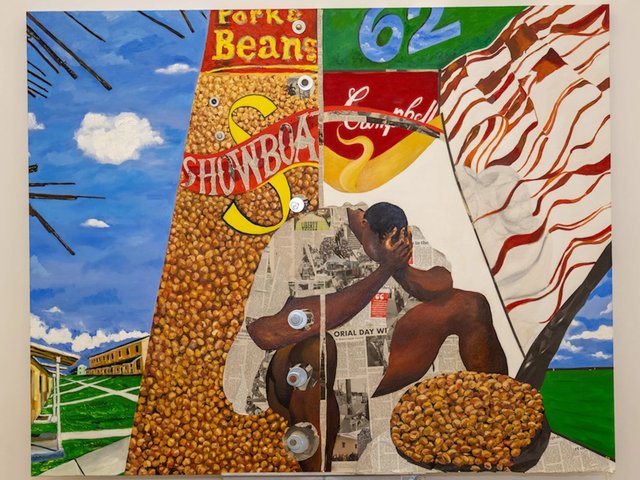
Beyond events, the collective hopes to establish a mutual-support network that could help pledge signatories navigate the financial consequences of opting out of Miami Art Week. That would entail connecting artists and organisations with local resources, soto says, including food assistance and other forms of mutual aid.
For the boycott’s organisers and signatories, success will not necessarily be measured by a signature count or an immediate impact on the fair. Instead, they hope the campaign will encourage a gradual shift in how Miami’s cultural producers and workers understand their economic and political influence.
“If a year from now we see that much more alternative and locally focused programming happening outside of Art Week,” soto says, “that would be a huge victory.”