

Peru
Loading...
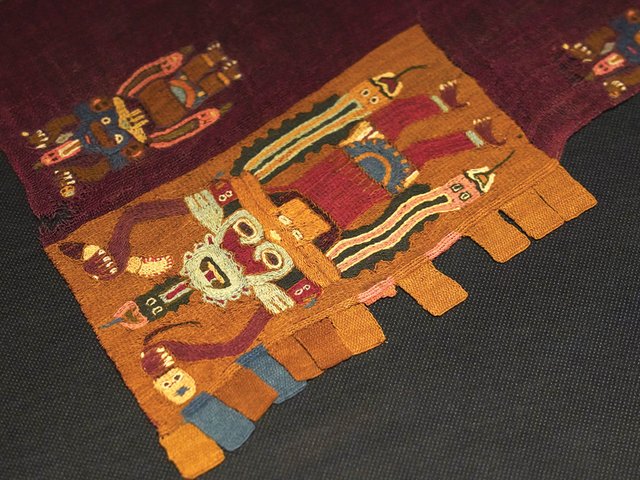
Museo Nacional del Perú (Muna) boasts a collection of nearly 50,000 Pre- Columbian objects, including repatriated artefacts
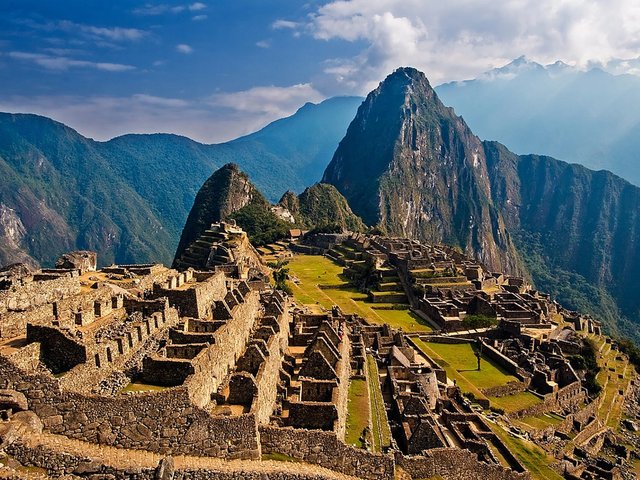
Radiocarbon dating of human bones and teeth in Peruvian ruins indicate that the Inca first lived at the citadel around 1420, not after 1440

Farmers extending their fields first accidentally uncovered the site, which archaeologists believe was used by the Cupisnique people for water ceremonies

Although overlooked by art institutions until only recently, she continued to create work about artificial systems and bureaucracies during a 30-year career in Lima's customs office
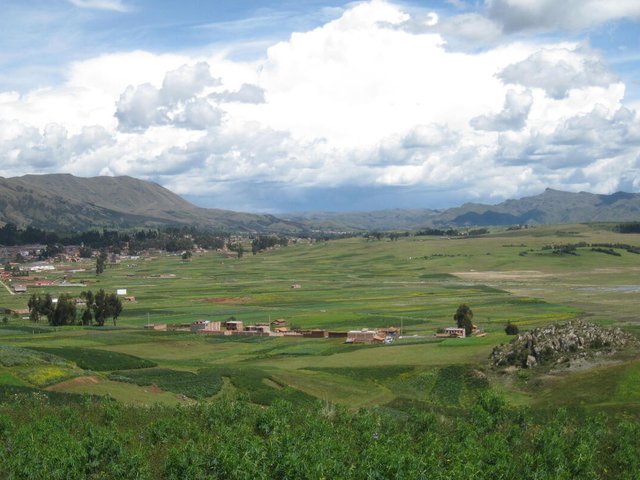
Organisation points out that Peru has not carried out an analysis of the heritage impact on Machu Picchu, Cusco and an Inca road network as requested by Unesco

The animals still had their ritual adornments, including necklaces and long, colourful tassels hanging from their ears
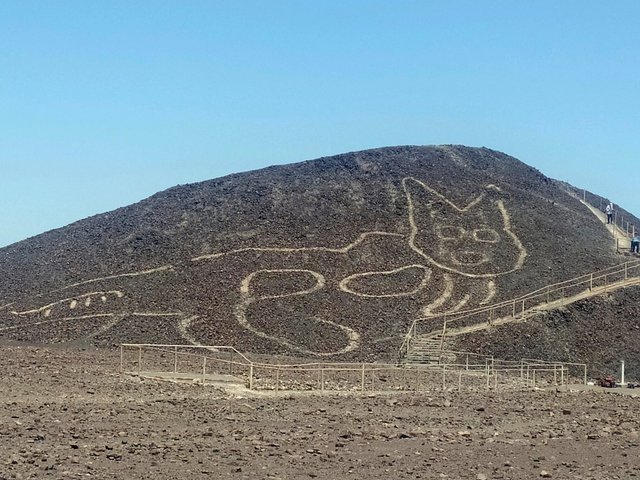
The 2,000 year-old earth carving could be the oldest geoglyph ever found

Culture ministry gives Jesse Katayama access after being stranded in Peru for seven months because of coronavirus

The preservation project could serve as a prototype for saving other earthen buildings

A petition has been launched to prevent the Peruvian government from continuing the project

The works were identified after they were consigned to Christie's for sale in 2015; their repatriation is part of an "aggressive" effort
Revelations concerning the pre-Columbian fakes came to light after the death of founder
Four years late, the major show of Spanish colonial art and culture reveals the viceroyalties of New Spain and Peru produced during Spanish dominion