

Digital Editions
Newsletters
Subscribe
Digital Editions
Newsletters
Art market
Museums & heritage
Exhibitions
Books
Podcasts
Columns
Art of Luxury
Adventures with Van Gogh
Venice Biennale
Art market
Museums & heritage
Exhibitions
Books
Podcasts
Columns
Art of Luxury
Adventures with Van Gogh
Venice Biennale
Openings
news

A bigger splash: France's expanded La Piscine museum reopens after makeover

Former Art Deco swimming pool in Roubaix dives into Modern French sculpture

Claudia Barbieri Childs
19 October 2018
Share
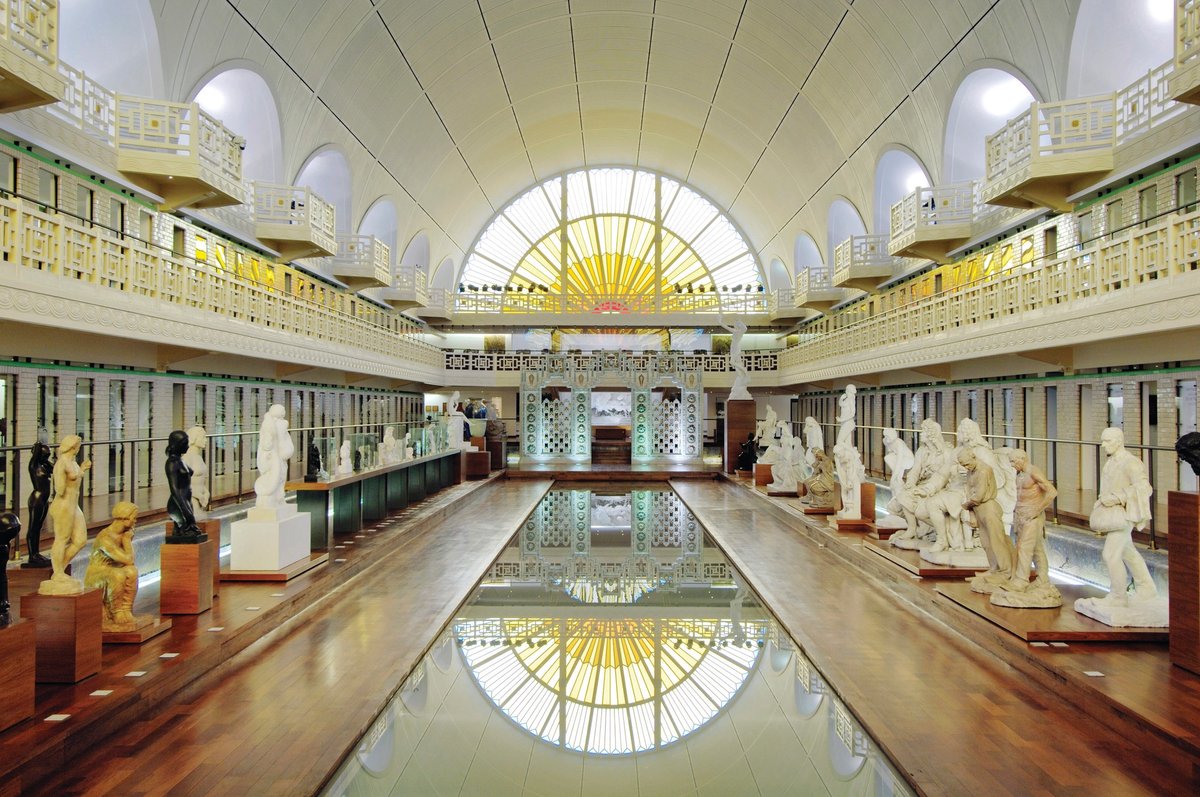
The converted 1930s baths complex has been expanded by the architect of the Musée d'Orsay in Paris, Jean-Paul Philippon Photo: Alain Leprince/MAIAD Roubaix

The converted 1930s baths complex has been expanded by the architect of the Musée d'Orsay in Paris, Jean-Paul Philippon Photo: Alain Leprince/MAIAD Roubaix

La Piscine—Museum of Art and Industry in Roubaix, north-eastern France, will reopen its doors tomorrow (20 October) after a €9.3m renovation and expansion. The museum has been closed for the past six months to complete the two-year upgrade, which aims to boost its international profile.

Located in a converted 1930s Art Deco swimming pool and baths complex, La Piscine is home to decorative arts relating to the town’s textile manufacturing heritage and an eclectic collection of 19th- and 20th-century French painting and sculpture.

The architect Jean-Paul Philippon, who designed the Musée d’Orsay in Paris, has added 2,300 sq. m of new galleries by incorporating neighbouring spaces formerly occupied by a textile mill and a school. The curators have used the expansion to develop a focus on Modern French sculpture.

Works by Rodin, Maillol and Camille Claudel are shown in dialogue with many fine pieces by lesser-known sculptors, including a dramatic 1873 marble depicting a hound savaging a fugitive slave by Félix Martin, La Chasse au Nègre. On the evidence of this scathing indictment of colonial brutality, he is an artist deserving of wider recognition.

The Paris studio of the sculptor Henri Bouchard (1875-1960), donated to the museum by his heirs, has been reconstructed as a highlight of the new displays. Once highly regarded, Bouchard vanished into obscurity after 1945, accused of Nazi collaboration. Regardless of his politics, the museum makes a strong case for reassessing his artistic legacy.

The rehung painting collection spotlights the local Roubaix group alongside works by famous names such as Ingres, Pierre Bonnard, Léonard Tsuguharu Foujita and Tamara de Lempicka. There is also more space for temporary exhibitions; the inaugural shows (until 20 January 2019) centre on sculptures by Picasso and Alberto Giacometti and ceramics by Hervé di Rosa.
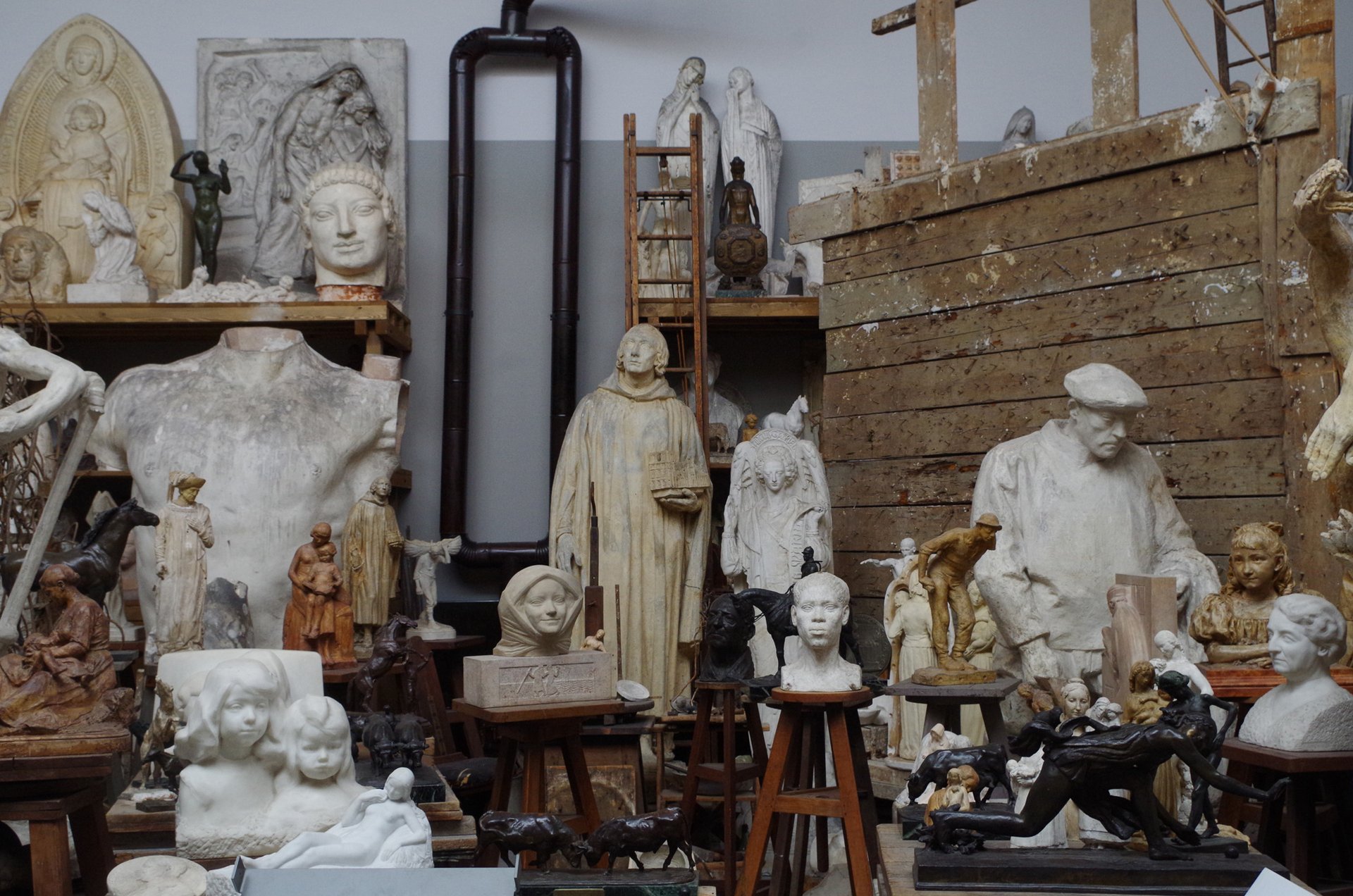
The reconstructed Paris studio of the sculptor Henri Bouchard (1875-1960) is a highlight of the new displays Photo: Claudia Barbieri Childs
Subscribe to our daily newsletter

OpeningsSculptureModern artDecorative artsFrance19th centuryMuseums & Heritage
Share
Subscribe to The Art Newspaper’s digital newsletter for your daily digest of essential news, views and analysis from the international art world delivered directly to your inbox.
Newsletter subscribe
Information
About
Contact
Cookie policy
Data protection
Privacy policy
Frequently Asked Questions
Subscription T&Cs
Terms and conditions
Advertise
Sister Papers
Sponsorship policy
Follow us
Instagram
Bluesky
LinkedIn
Facebook
TikTok
YouTube
© The Art Newspaper

Related content

Museums & Heritagearchive
21 July 2019

A missing chapter in the history of the decorative arts: the Restoration and July Monarchy

Louvre-organised show at the Grand Palais of neglected period of production

Daniel Alcouffe
Paul Gauguinnews
8 November 2022

Who added the pearl on Musée d’Orsay's Paul Gauguin sculpture? Diary reveals it was not the artist

Jewel that gives its name to an 1892 Tahitian carving was added to the work years after the French artist’s death, researcher discovers

Martin Bailey
Exhibitionsarchive
1 March 2000

“Art nouveau” at the V&A and “1900” at the Grand Palais. Unity of the arts

Artists and designers 100 years ago were united in their embrace of modernity

Linda Goddard