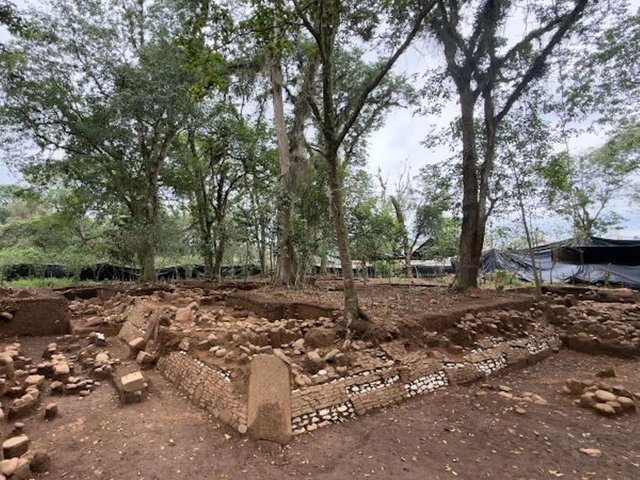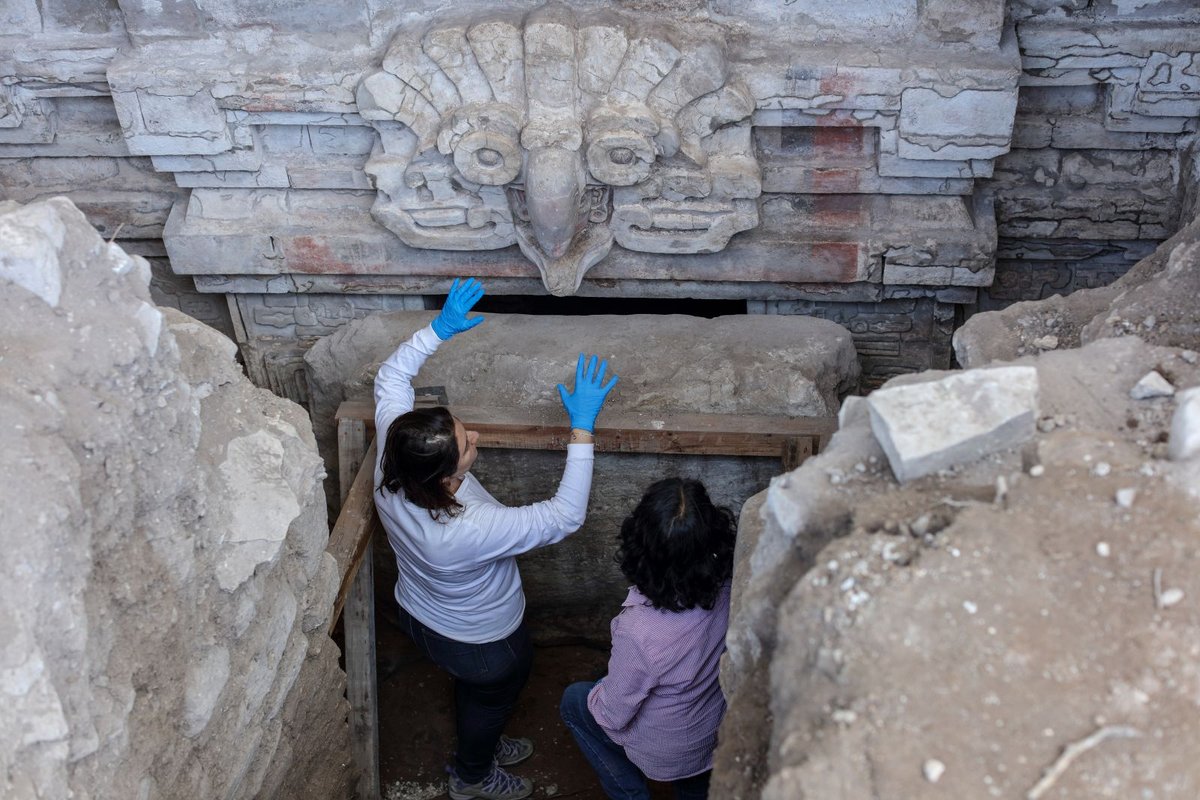
“The most important archaeological finding of the last decade” is how Mexico’s president, Claudia Sheinbaum, described a 1,400-year-old Zapotec tomb recently found in San Pablo Huitzo in Oaxaca’s Etla Valley. Uncovered following an anonymous looting report, Tomb 10 stands out for its preservation, architecture and decoration, including mural paintings and reliefs.
The Zapotec practiced complex funerary rituals. “At Monte Albán alone, more than 200 tombs of varying size and decoration reflect social, political and economic differences among the ancient Zapotecs,” Javier Urcid, an anthropology professor at Brandeis University in Massachusetts, tells The Art Newspaper. “Built beneath residences, tombs were reused over generations—with additional burials and occasional changes to offerings or decoration. The inscribed genealogies verified membership in family lineages.”
The newly discovered tomb may be connected with the nearby Tomb 5, allowing experts to date it to the Late Classic period (AD600-AD900), according to the National Institute of Anthropology and History (INAH).
“The first major tomb discovery dates to 1932, but the recently excavated tomb is the second-largest known, after Tomb 5 was discovered in 1985—also at the ancient settlement Cerro de la Campana,” Urcid says.
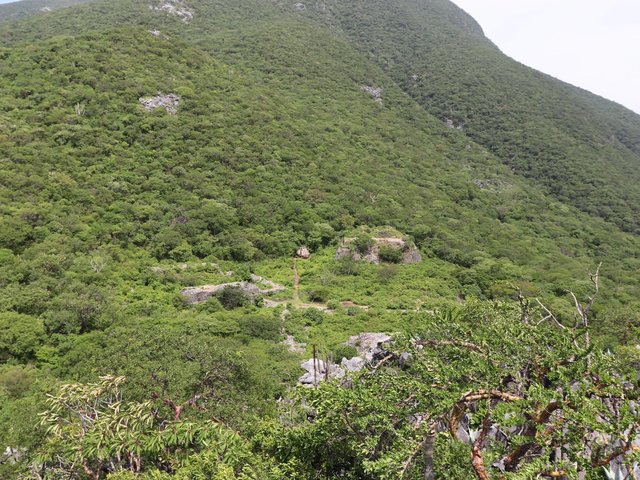
“INAH considers this area to have been an acropolis contemporary with Monte Albán, the Zapotec capital of its time,” Mexico’s cultural minister, Claudia Curiel, said during a site visit last month.
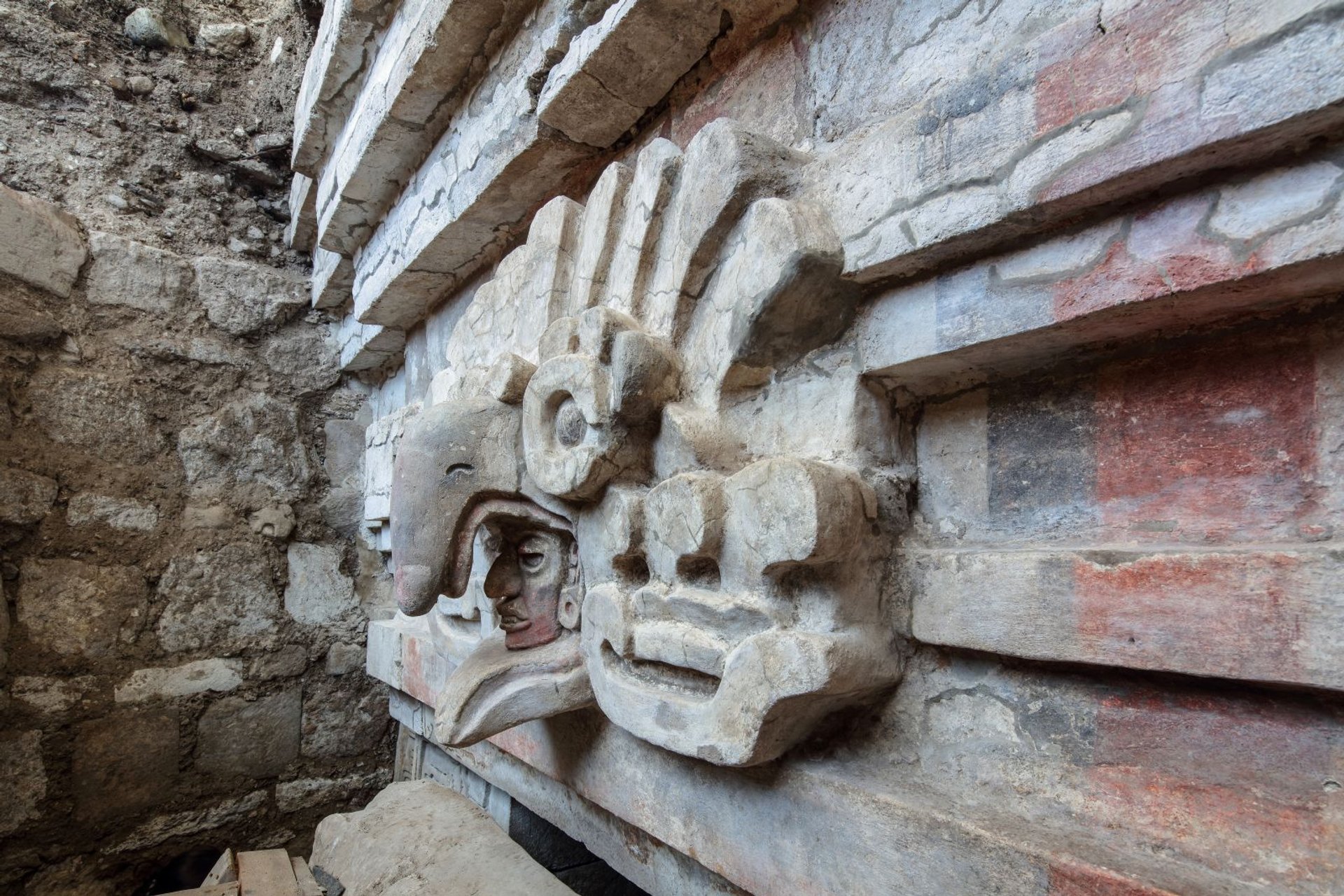
A human head emerges from the beak of an owl at the entrance of Tomb 10 Photo: Gerardo Peña, courtesy INAH
The entrance to the 5.5m-long, 2m-wide and 2m-high chamber is adorned with an owl-shaped sculptural element. From its beak, a human head emerges, possibly the ancestor to whom the tomb was dedicated.
“Etla Valley tombs feature lizards, serpents and jaguars with monkey or bird heads in their jaws, referring to identity and status,” says Fernando Berrojalbiz, a researcher at the Institute of Aesthetic Research at the National Autonomous University of Mexico (UNAM). “The discovered tomb adds the owl—linked to the underworld and death—a symbol also seen in a later tomb of the Postclassic period, pointing to continuity.”
At the threshold, there are carvings of male and female figures—possibly the tomb’s guardians—holding artefacts. Inside, the chamber is decorated with a mural depicting a procession in which members carry copal, a sacred tree resin. There are also reliefs with inscriptions. “The tomb may be key to understanding the local dynasties, as it was destined for a prominent figure and was visited over generations,” according to an INAH announcement.
Pottery was found there along with human remains.“Tombs contained offerings such as pottery, jewellery, ritual bone objects—often removed along with significant bones like skulls and femurs when communities relocated,” Urcid notes. Berrojalbiz stresses that while Tomb 10 shares elements with others in the area, some of its features—like the chamber’s stepped vault formed by overlapping stone layers—are unique, demonstrating “the diversity and richness in Zapotec expressions”.
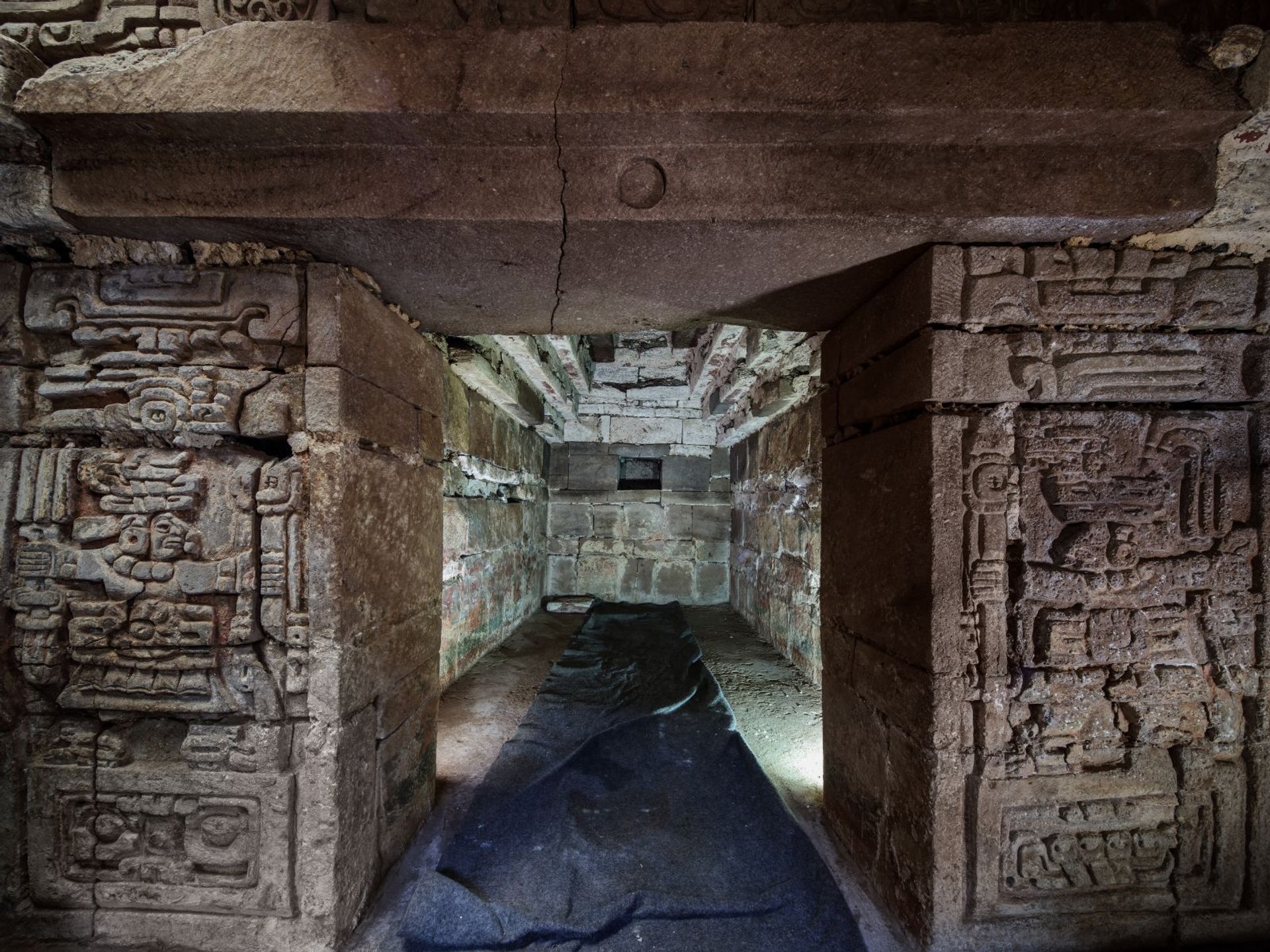
Two carved guardian figures flank Tomb 10’s threshold Photo: Gerardo Peña, courtesy INAH
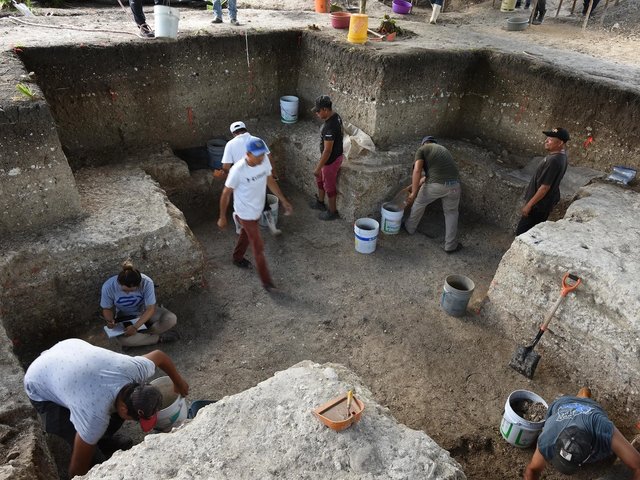
“Stabilisation work is underway to open the site to the public at year’s end,” Curiel said during the site visit. Updates were also announced for Cerro de la Campana—where Tomb 5 is located—but is closed to the public due to conservation concerns. A replica of Tomb 5 is on display at the Museo Comunitario Cerro de la Campana in Santiago Suchilquitongo.
Restoration, particularly of Tomb 10’s murals, will be challenging. Furthermore, tourism could jeopardise their long-term conservation. It is unclear whether access to this part of the tomb will be granted or, as with Tomb 5, a replica will be created for visitors.
“Alongside political and social insights, expert analysis can reveal the diet and osteobiography of the deceased, while the finding may also attract tourism in Oaxaca,” says Edith Ortiz, a researcher at UNAM’s Institute of Anthropological Research. “The main challenge is ensuring that federal and state authorities work together to protect the site through a long-term project independent of political cycles.”