The French Lebanese artist Ali Cherri has filed a war crimes complaint in France over an Israeli airstrike that killed his parents and other civilians in Beirut on 26 November 2024. The International Federation for Human Rights (FIDH) is supporting the case.
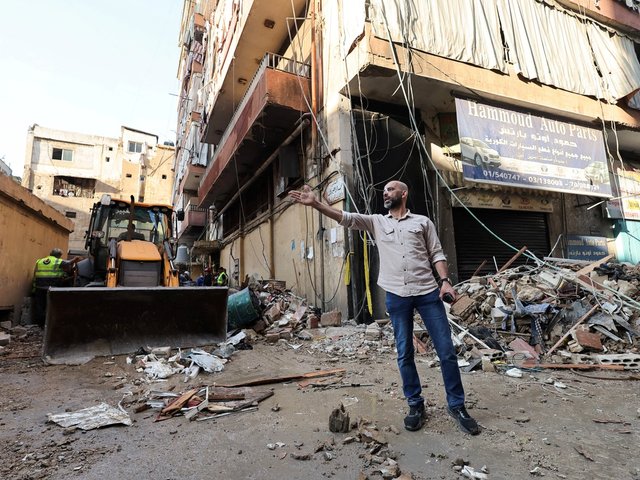
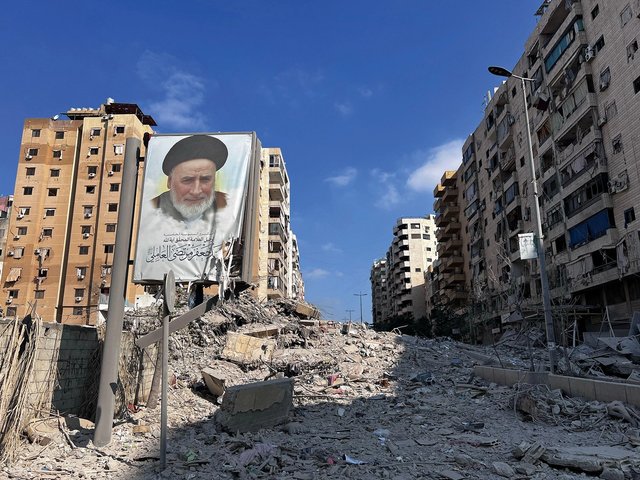
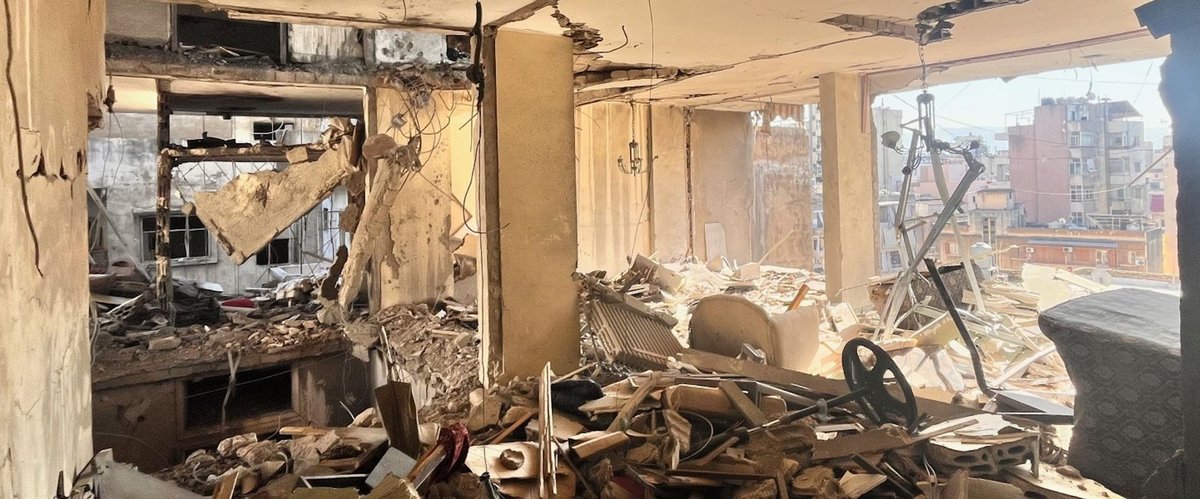
The building where Cherri’s parents, Mahmoud Naim Cherri and Nadira Hayek, and five other civilians were killed was located in the densely populated Noueiri neighbourhood of central Beirut. Israel struck the building just hours before a ceasefire between Israel and Hezbollah was agreed upon following a 13-month conflict that killed more than 4,000 people in Lebanon.
“This complaint was an important but difficult step,” Cherri tells The Art Newspaper. “It seeks to have what happened to my family recognised for what it is—a war crime against civilians—to ensure that the truth is established through an independent investigation, and that those responsible are held accountable.”
Cherri, who is based in Paris and holds both French and Lebanese citizenship, filed the case to the French War Crimes Unit on 2 April. Although French law allows for the investigation of international crimes linked to France, it does not protect non-French citizens like Cherri’s parents. However, because the complaint relates to the destruction of property tied to Cherri, there could be a basis for the case to move forward.
The artist’s complaint hinges on open-source investigations and reporting by organisations Amnesty International, which published a briefing titled “The Sky Rained Missiles” stating that four separate Israeli airstrikes must be investigated as war crimes under international law. It adds that Israel did not issue warnings ahead of the attacks, which killed at least 49 civilians, and that there was no evidence of a military objective at these sites.
The complaint also cites an investigation by the London-based research group Forensic Architecture, which is tied to Goldsmiths, University of London. The organisation used satellite images, testimonies from witnesses and video footage to reconstruct the strike that killed Cherri’s parents, and also found that the building was likely residential and had no clear military use at the time of the attack.
Clémence Bectarte, a lawyer and the coordinator of the FIDH Litigation Action Group, said in a statement that the attacks “constitute a clear and repeated violation of international humanitarian law, which imposes an obligation to distinguish between military objectives and civilian objects and populations”. She added that the “French justice system must ensure that these crimes do not go unpunished, and that those responsible are prosecuted”.
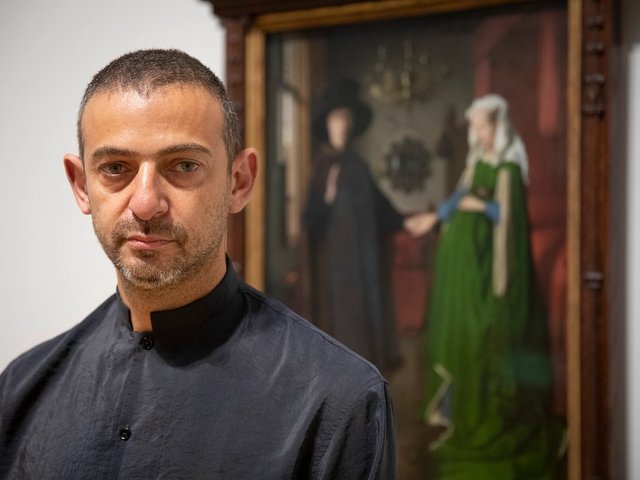
A brush with... Ali Cherri
In addition to Cherri’s parents, one of the civilians killed in the airstrike was Birki Negesa, a domestic worker contracted by his family who had arrived in Lebanon just a month earlier. He also laments the death of the drone operator and cameraman Mohamad Chehab, who worked with Cherri for several weeks to document the building and the apartment. Chehab and his three-year-old daughter were killed last month in another Israeli airstrike just outside of Beirut; Chehab’s wife, Natalie, survived but remains in critical condition.
“Since [the claim] was made public, I have received an overwhelming number of messages, many from families who have experienced similar losses and have no access to justice,” Cherri says. “It has made clear to me that this case goes beyond my own story.”